







10 Differences Between Men and Women You Will Totally Agree With
Introduction
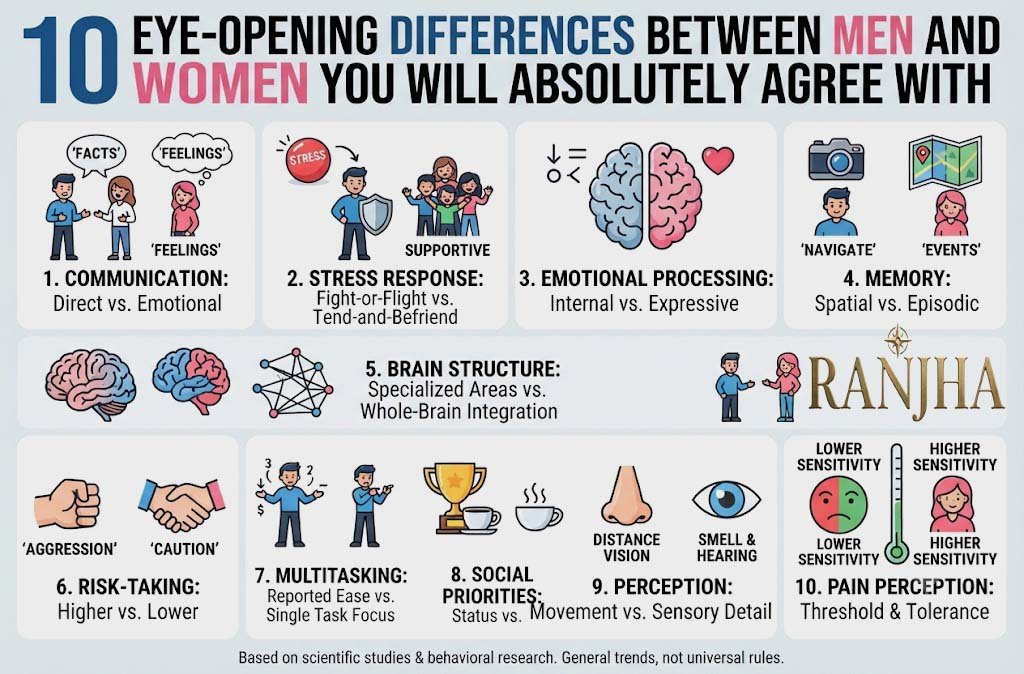
Men and women are different. This statement is hardly controversial—we can see it in how we communicate, how we handle stress, and even how we shop. While every individual is unique, research and everyday experience reveal some fascinating patterns that most people will recognize.
Some of these differences are rooted in biology, others in social conditioning, and many are a complex mix of both. From problem-solving approaches to emotional processing, here are ten differences between men and women that will likely make you nod in agreement.
1. Communication Styles: Direct vs. Emotional

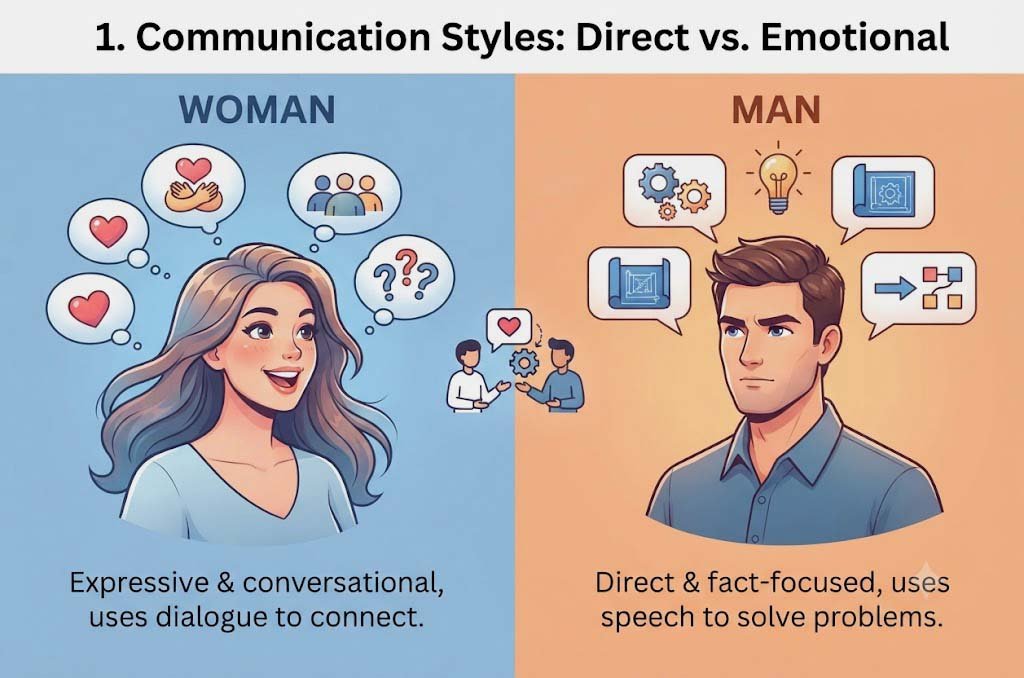
One of the most well-documented differences is how men and women communicate. Research suggests that women are generally more expressive and talkative, using conversation to bond, share feelings, and seek reassurance . Men, on the other hand, tend to be more direct and fact-focused, using speech to solve problems and convey information . This is why a woman might share a problem to feel understood, while a man might immediately jump to offering solutions.
2. Stress Response: Fight-or-Flight vs. Tend-and-Befriend
When faced with stress, men typically exhibit the classic “fight-or-flight” response, which is heavily influenced by testosterone . Women, influenced by estrogen and oxytocin, often display a “tend-and-befriend” response, seeking social support and nurturing others during stressful times . This might explain why men often withdraw when stressed, while women often reach out to talk to friends.
3. Emotional Processing and Expression
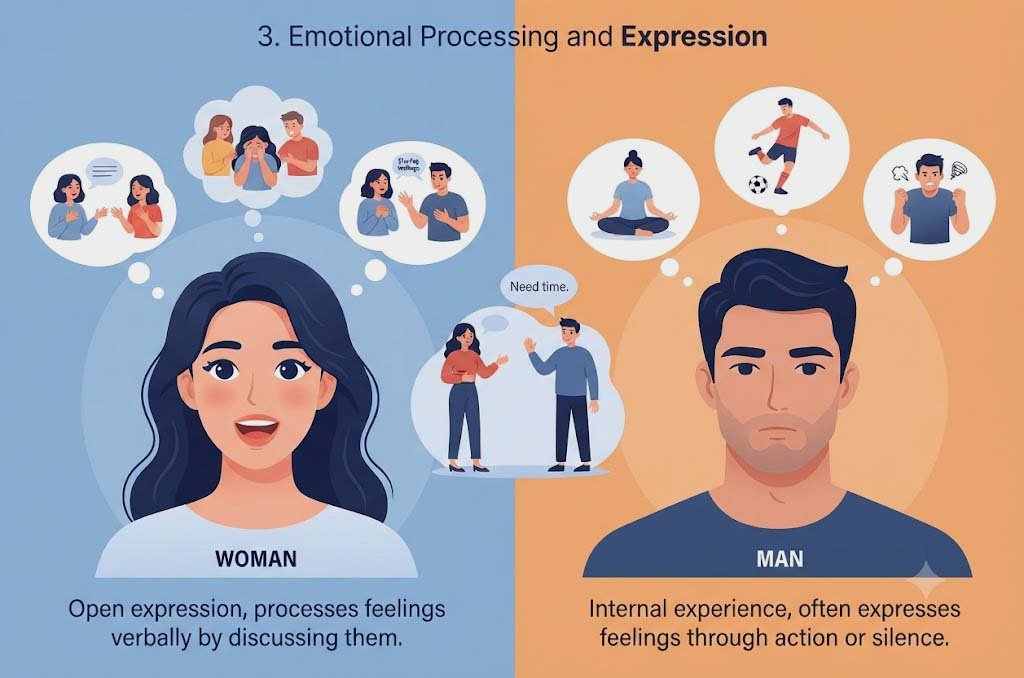
Men and women experience emotions differently. Women are generally more in tune with their emotions and more likely to express them openly . Men often experience emotions physically rather than verbally and may struggle to articulate their feelings . This difference in processing can sometimes lead to misunderstandings in relationships, where one partner expects emotional expression and the other is not wired to provide it in the same way.
4. Memory Differences
Studies have shown that women tend to have better episodic memory—they remember details about events, conversations, and personal experiences more accurately . Men, on the other hand, excel at spatial memory and tasks like navigating a route . This is why a woman might remember every detail of an argument from three years ago, while a man might have no recollection of it at all.
5. Brain Structure and Wiring

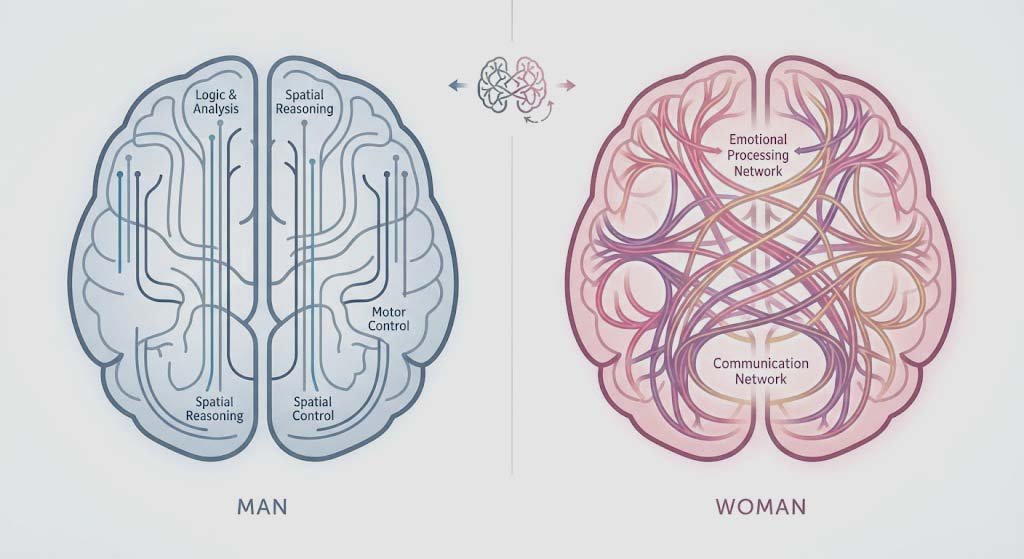
Research has identified certain structural variations between male and female brains, highlighting differences that scientists continue to study. Men’s brains are slightly larger, but women’s brains have more connections between the left and right hemispheres, allowing for faster information processing . This difference may contribute to women’s multitasking abilities and their tendency to process emotional information more holistically.
6. Aggression and Risk-Taking
Men are generally more physically aggressive and prone to risk-taking behavior, largely due to higher testosterone levels . This difference begins early in life and continues into adulthood. Women, on the other hand, tend to be more cautious and risk-averse, often thinking through consequences more thoroughly before acting.
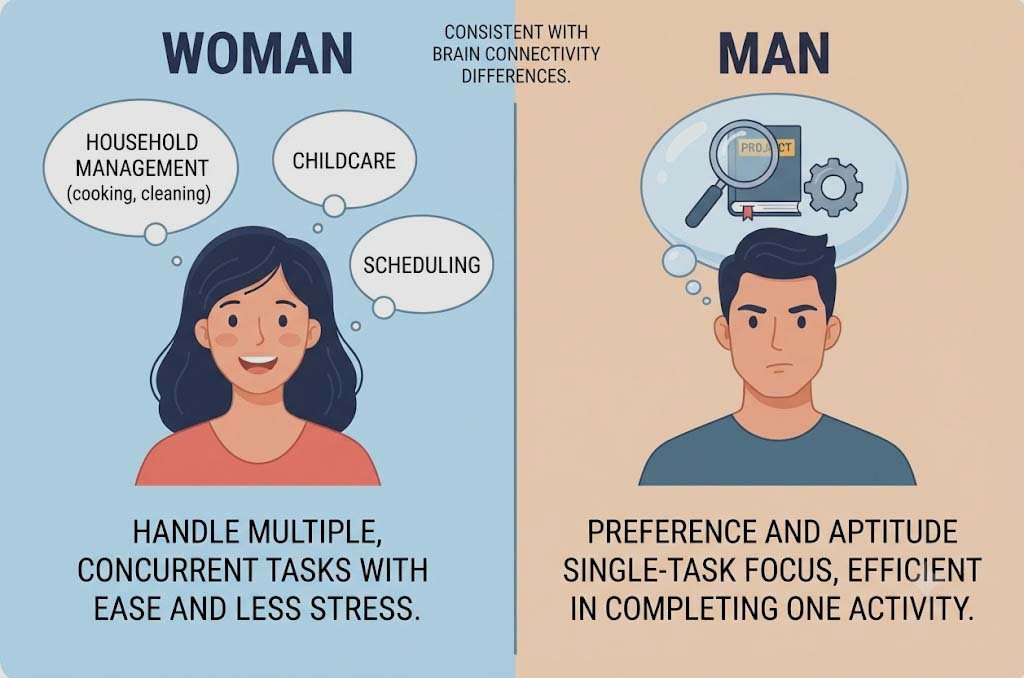
7. Multitasking Abilities
While some studies suggest that women are better at multitasking than men, the evidence is not entirely conclusive . However, many people report that women seem to handle multiple tasks simultaneously with greater ease, while men tend to focus on one task at a time. This finding is consistent with the differences in brain connectivity discussed previously.
8. Social Priorities
Women tend to prioritize social connections and emotional bonds, while men often prioritize status, competition, and achievement . This is reflected in everything from friendship styles to career ambitions. Women’s friendships are often built on emotional sharing, while men’s friendships are frequently activity-based and competitive.
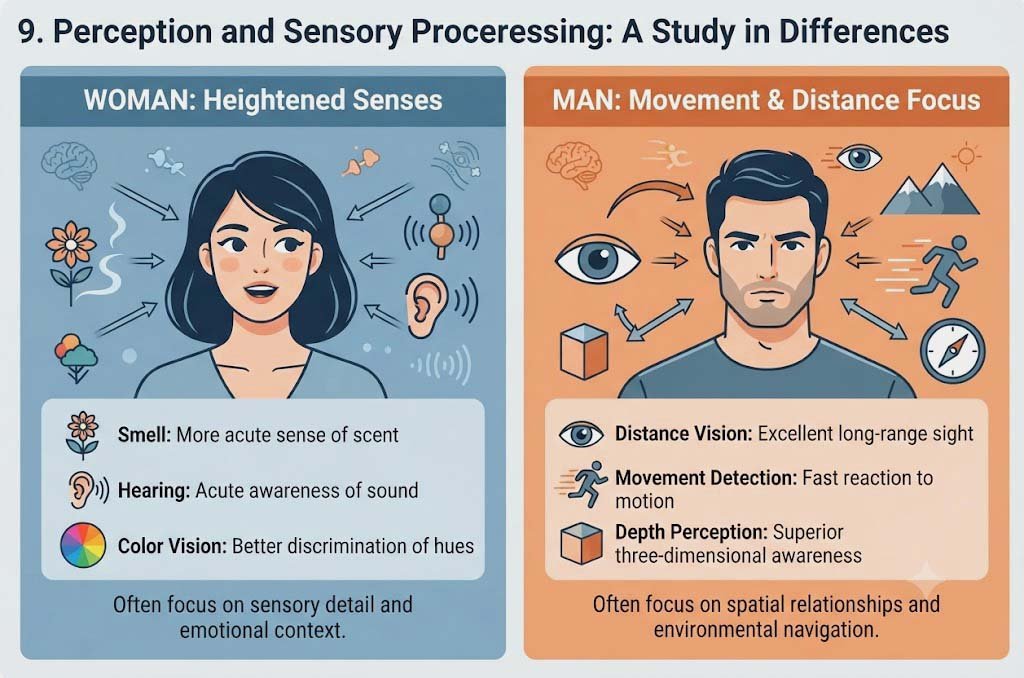
9. Perception and Sensory Processing
Men and women perceive the world differently in subtle ways. Women tend to have a better sense of smell, more acute hearing, and better color vision . Men are generally better at detecting movement and have better distance vision. These sensory differences have been linked to evolutionary roles, where early men were hunters and women were gatherers.
10. Pain Perception
While both men and women experience pain, research indicates that women are more likely to report greater sensitivity to painful sensations. A 2025 study in the Journal of Pain Research revealed that women in their 20s and 30s report significantly higher average pain levels than men of the same age . This difference is attributed to hormonal fluctuations, particularly estrogen, which can heighten or decrease the perception of pain . Doctors are increasingly advocating for sex-specific pain management, recognizing that female chronic pain conditions are often treated differently.
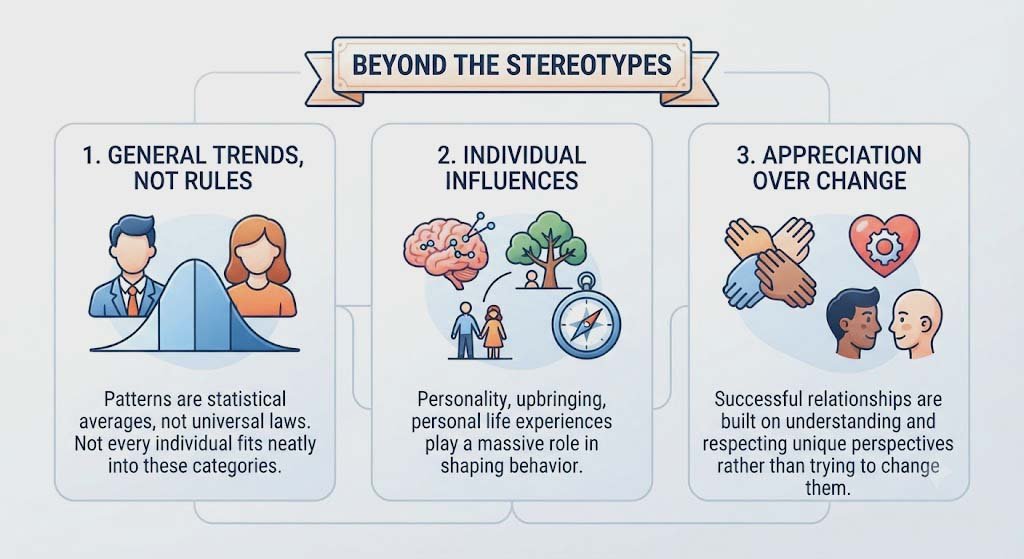
Beyond the Stereotypes
Understanding these differences is not about reinforcing stereotypes or claiming one gender is superior to the other. It is about recognizing that men and women often process the world differently, and that these differences can complement each other beautifully.
However, it is important to remember that these are general trends—not every man or woman fits neatly into these categories. Personality, upbringing, and personal experiences all contribute significantly to shaping an individual’s behavior and responses. The most successful relationships and partnerships are those where both parties understand and appreciate these differences rather than trying to change them.
About the Author
My name is Dua Qamar, and I am a content writer fascinated by the complexities of human behavior and relationships.
Why I Wrote This Article:
I wrote this piece because the differences between men and women are something we all experience daily but rarely stop to analyze. Understanding these patterns can improve communication, reduce misunderstandings, and help us appreciate each other’s unique perspectives.
How I Approached This Topic:
My research involved examining scientific studies, behavioral research, and psychological analyses from credible sources including the Journal of Pain Research, the Journal of Applied Psychology, and other peer-reviewed publications. I focused on well-documented differences that are supported by evidence.
Who This Article Is For:
This article is for anyone interested in understanding the dynamics between men and women—whether for personal relationships, professional environments, or simple curiosity.
The Message I Hope Readers Take Away:
Men and women are different—not better or worse, just different. Recognizing and respecting these differences can lead to better understanding and stronger relationships.
Written by: Dua Qamar


