







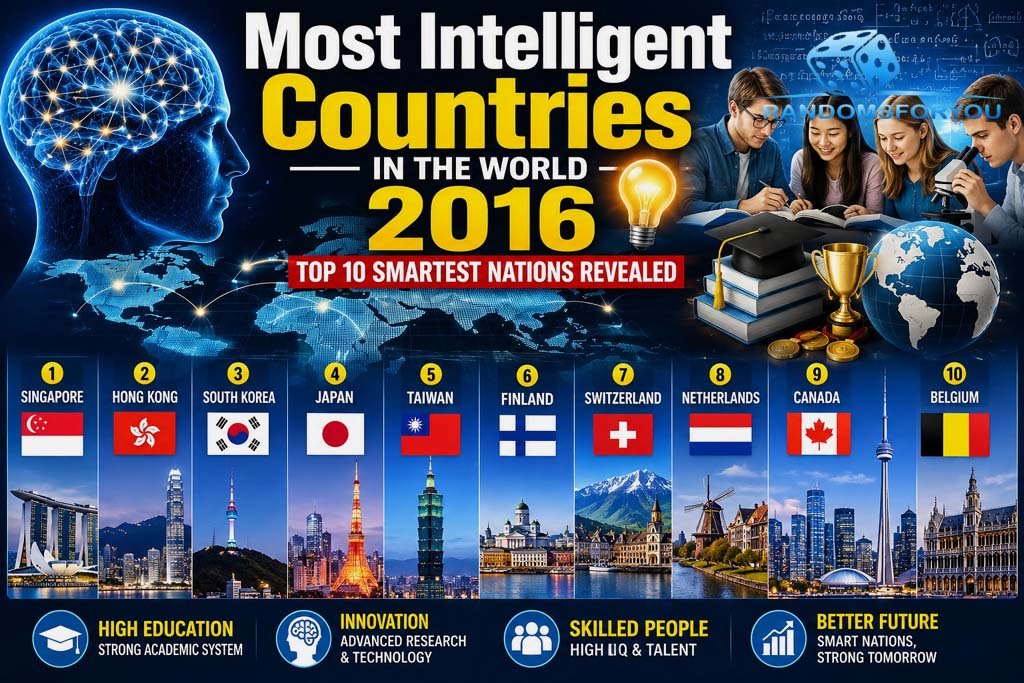
The Most Intelligent Countries In The World In 2016
Introduction
What makes a nation truly intelligent? Is it the average IQ of its population, the quality of its education system, or its contributions to science and technology? In 2016, these questions were at the forefront of a fascinating study by the US-based media company Gazette Review, which ranked the world’s most intelligent countries based on a combination of factors.
The findings were remarkable: Asian nations dominated the top five positions, proving that the stereotype of the continent’s academic excellence was well-founded.

The Methodology Behind the Rankings

The Gazette Review’s ranking was not based solely on IQ scores. Instead, it combined three key factors: the results of intelligence tests across most countries, student performance on mathematics exams, and statistics on higher education attainment among the population.
This multi-faceted approach aimed to capture not just raw cognitive ability but also how that intelligence is nurtured and applied through education systems. As one report noted, comparing intelligence across nations is complex because different education systems make it “like comparing apples to oranges.”
The Top 10 Most Intelligent Countries in 2016
1. Hong Kong – Average IQ: 107
Hong Kong topped the global list with an average IQ of 107. Students in this special administrative region of China achieved the highest test scores in mathematics and other subjects, and the region boasted the second-best education system after Finland.
What sets Hong Kong apart is the ambition of its students, who often enroll in extracurricular activities to increase their chances of landing their dream jobs. This competitive environment has made Hong Kong a powerhouse of academic achievement.
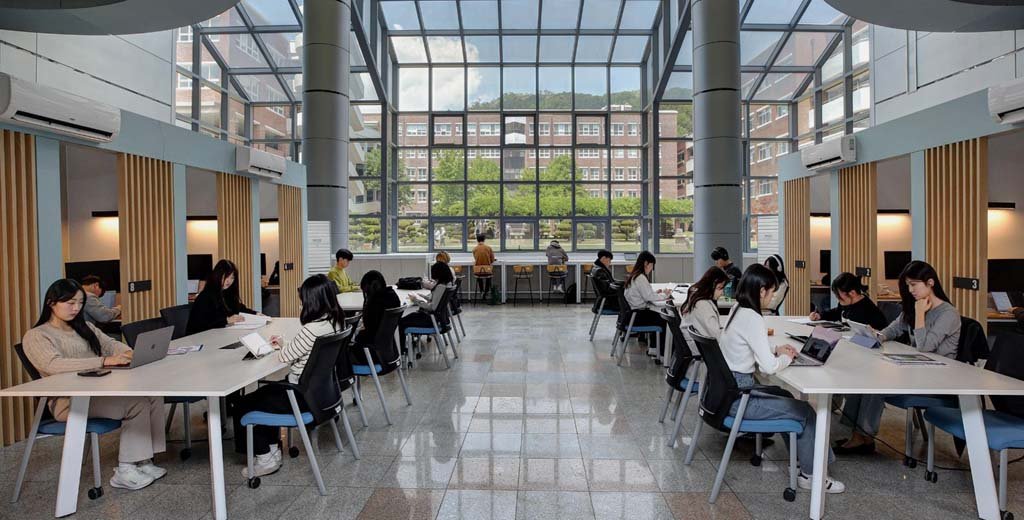
2. South Korea – Average IQ: 106

South Korea secured second place with an average IQ of 106. Bloomberg declared it the most innovative country in the world in 2016.
South Korean students achieved the third-best results on math tests globally, and the country invested heavily in research and development. The nation also boasted the fastest and most reliable internet connection, reflecting its commitment to technology and education.
3. Japan – Average IQ: 105
Japan ranked third with an average IQ of 105. The country’s education system is known for being “extremely rigorous,” demanding significant time and effort from students.
Japan’s literacy rate is one of the highest in the world at 99%, and the University of Tokyo is considered the best in Asia. Japan is also a global leader in scientific research.
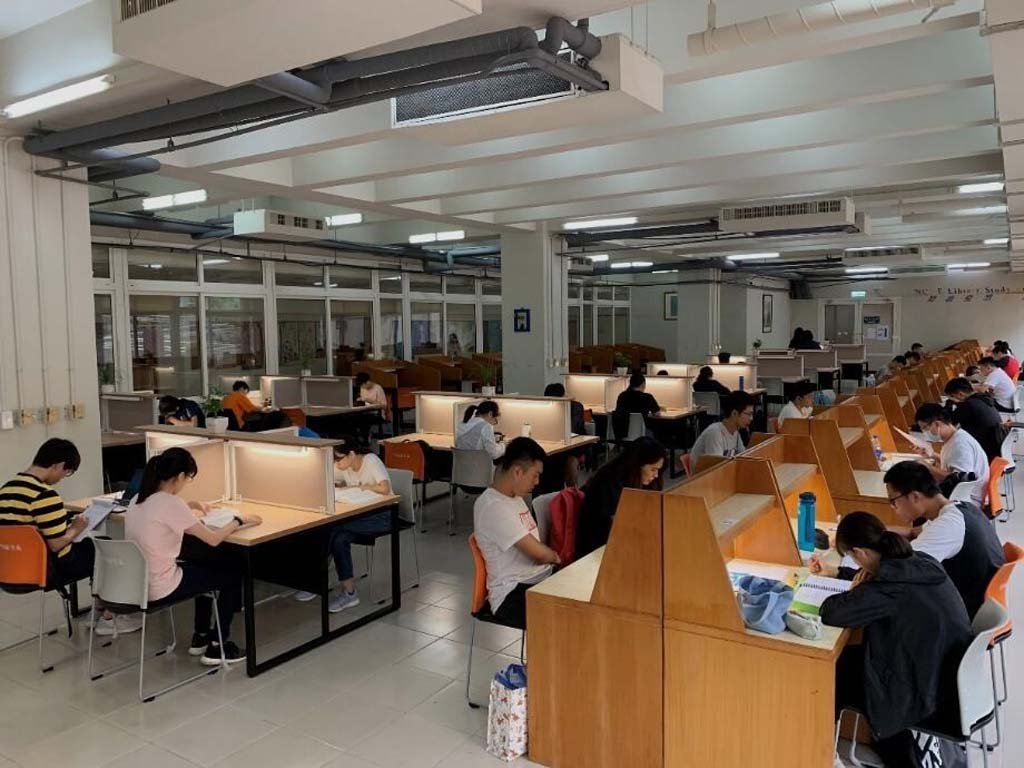
4. Taiwan – Average IQ: 104

Taiwan claimed the fourth spot with an average IQ of 104. The region is known for its technological advancements and dedication to public education.
Many Taiwanese people are bilingual, speaking English in addition to their native tongue to improve their career prospects. Taiwanese students’ test scores ranked fourth globally, tied with Japan.
5. Singapore – Average IQ: 103
Singapore rounded out the top five with an average IQ of 103. This wealthy city-state invests heavily in its education system, particularly in “profitable” economic sectors such as technology and finance.
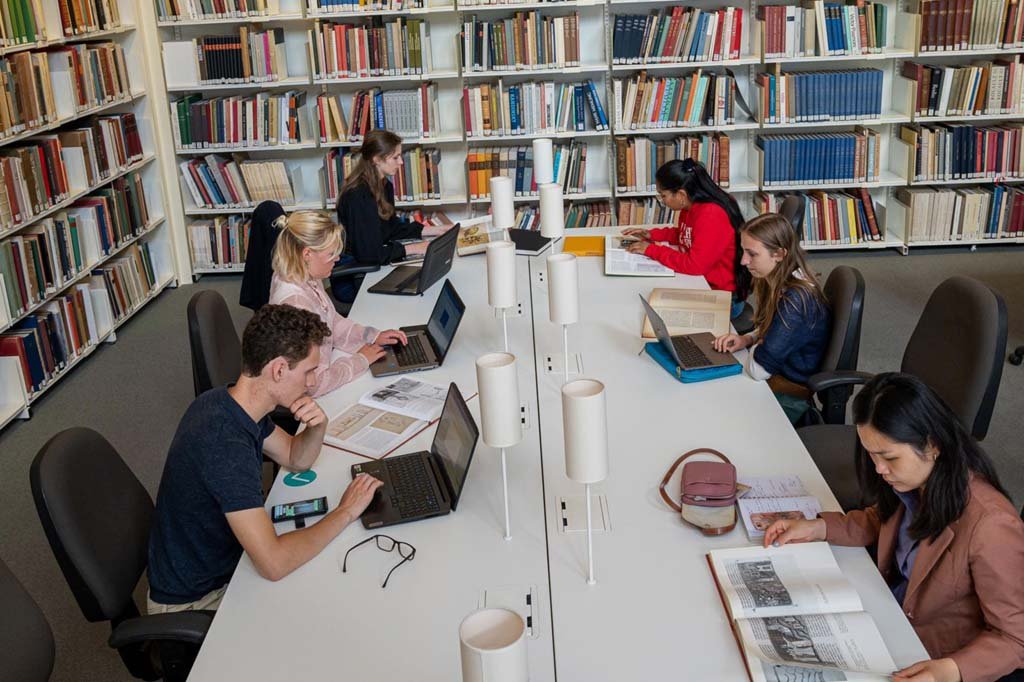
6. Netherlands – Average IQ: 103

The Netherlands tied with Singapore at 103, thanks to its strong education system. The country ranked ninth globally in terms of student performance on math tests.
7. Italy – Average IQ: 102
Italy’s place on the list reflects its history as the birthplace of great thinkers, including Leonardo da Vinci, Michelangelo, and Galileo Galilei. The country has an above-average number of diplomas in mathematics, physics, and other natural sciences.
8. Germany – Average IQ: 102

Germany’s rich intellectual history includes countless philosophers, scientists, and artists. The country has one of the highest GDPs in the world and many prestigious universities. For example, Heidelberg University, founded in 1386, has been associated with 55 Nobel laureates.
9. Austria – Average IQ: 102
Austria is notable for having one of the highest percentages of PhDs in its workforce. For every 1,000 people, seven women and nine men hold doctoral degrees.
10. Sweden – Average IQ: 101
Sweden’s education system is government-funded and accessible to the majority, resulting in a highly educated population. Sweden is also the second country globally in computer usage in the workplace, with 75% of employed Swedes using computers.
The Rise of Asian Nations
The dominance of Asian nations in the 2016 rankings was striking. Five Asian countries and regions occupied the top five positions.
This pattern reflected several common factors: rigorous education systems, high literacy rates, strong emphasis on mathematics and science, and significant government investment in research and development.

Beyond IQ: What Makes a Country Intelligent?

While average IQ was a key metric, the rankings also highlighted the importance of education quality and innovation. Countries that invest in education and create opportunities for their citizens tend to rank higher, regardless of population size.
Several European nations made the list, showing that intelligence is not exclusively an Asian phenomenon. Strong education systems, historical contributions to science and philosophy, and a culture of learning have kept these nations competitive.
Conclusion
The 2016 rankings of the world’s most intelligent countries reveal a fascinating picture of global education and cognitive achievement. Asian nations dominated the top spots, driven by rigorous education systems, high literacy rates, and ambitious students. European countries also featured prominently, reflecting their strong educational foundations and historical contributions to knowledge.
Ultimately, the most intelligent countries are those that invest in their people—through education, research, and a culture that values learning and innovation.
About the Author
My name is Dua Qamar, and I am a content writer passionate about exploring global trends, education, and human achievement.
Why I Wrote This Article
I wrote this piece because intelligence and education are topics that shape the future of nations. Understanding which countries are leading in these areas can offer valuable insights for policymakers, educators, and anyone interested in global development.
How I Approached This Topic
My research involved examining multiple sources, including the Gazette Review’s original report and subsequent analyses, to present a comprehensive picture of the 2016 rankings. I cross-referenced information to ensure accuracy.
Who This Article Is For
This article is for curious readers who love exploring global rankings and understanding what makes societies successful.
The Message I Hope Readers Take Away
Education and a culture of learning are the foundations of national intelligence. A prosperous and forward-thinking society is built by investing in its people.
Written by: Dua Qamar


