

Fashion Design:
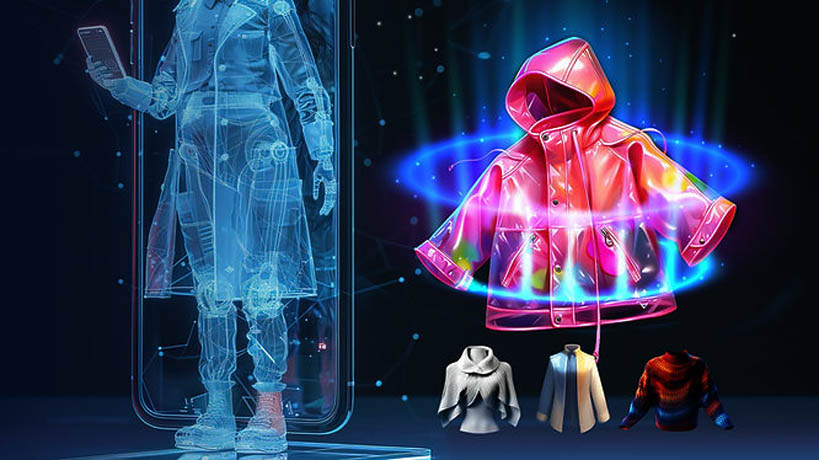
Fashion design has always been about expression, creativity, and invention. In 2025, artificial intelligence will also play a role in fashion design. The way that fashion is made, sold, and used is changing as a result of the emergence of AI fashion designers and digital clothing. The future of fashion is being redefined by technology, from multiverse virtual costumes to algorithm-generated designs.
What Is AI Fashion Design?
AI fashion design analyzes trends, predicts future styles, and develops unique clothing concepts using machine learning and artificial intelligence. Millions of photos, patterns, colors, and textures undergo processing by these algorithms to create distinctive collections that appeal to modern buyers.
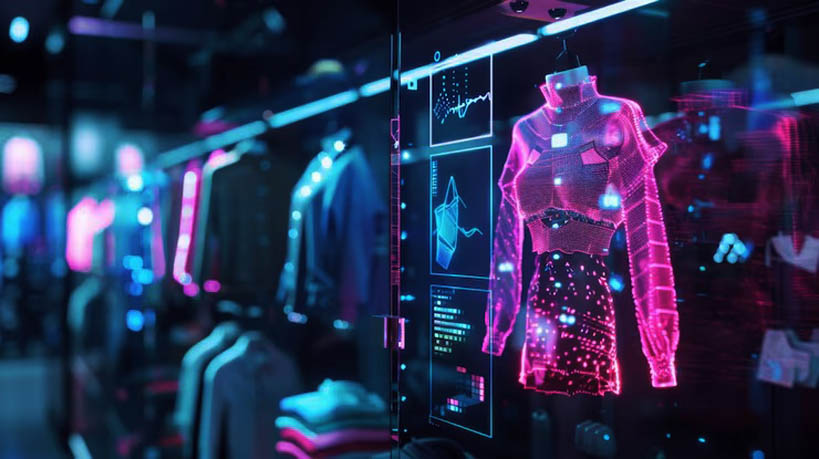
AI-powered technologies are being utilized by luxury brands such as Gucci, Prada, and Balenciaga to enhance design efficiency and minimize waste. Companies like Fashwell and Vue.ai integrate technology and creativity. It utilizes AI to assist designers in identifying patterns, forecasting trends, and automating fabric selections.
The Birth of Digital Clothing:
Virtual clothes made for avatars, social media posts, or online fashion shows are referred to as “digital clothing.” These garments are made with 3D modeling and AI design tools; they are not real. This digital revolution in fashion has been driven by platforms such as DressX, Republiqe, and The Fabricant.
Nowadays, people can “wear” digital clothing in pictures, films, or virtual worlds without ever coming into contact with fabric. It is futuristic and sustainable in keeping with Gen Z’s passion for technology and individuality.
Sustainability and Waste Reduction:
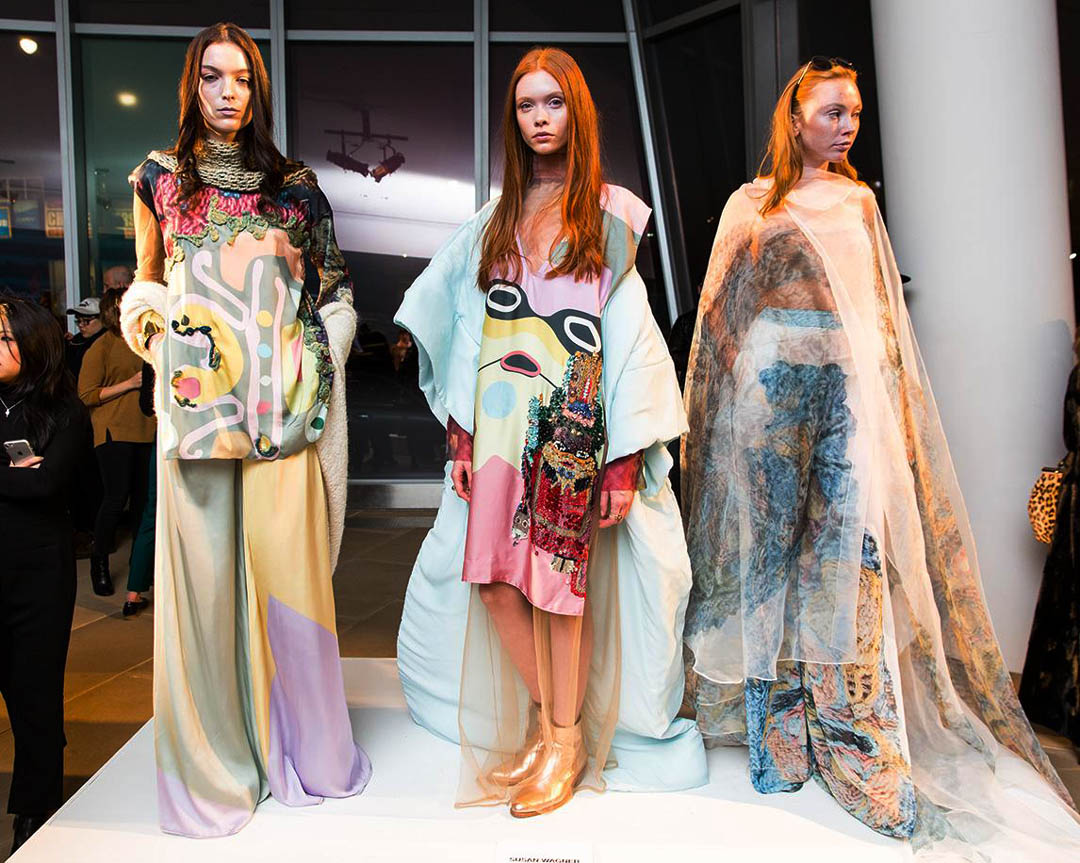
Sustainability is one of the main advantages of AI and digital clothing. The fashion industry is well known for its negative effects on the environment, from carbon emissions to textile waste. AI helps firms design on-demand items, optimize production, and reduce unsold inventory instead of mass-producing clothing that might never sell.
Digital fashion, meanwhile, provides a waste-free substitute. Virtual clothing totally avoids production waste because it doesn’t require fabric, water, or transportation. Digital clothing offers an environmentally safe way for influencers and content producers who require new looks every day to be fashionable without endangering the environment.
AI as the New Creative Partner:
Artificial intelligence fashion designers enhance human creativity rather than replace it. AI has made it possible for designers to work together to experiment with previously impossible materials, colors, and silhouettes. In just a few minutes, creators may test millions of variations with the aid of tools like CLO 3D, Runway ML, and DeepArt, which save time and increase creative possibilities.

AI offers data-driven insight and accuracy in this hybrid approach, while humans provide emotion and narrative. They are influencing a future in which fashion will be more inventive, inclusive, and adventurous than it has ever been.
Fashion in the Metaverse and Virtual Worlds:
Fashion is emerging in the digital realm, with gamers and influencers buying NFT-based outfits to showcase their identities online as the metaverse expands. Prominent brands like Nike, Adidas, and Louis Vuitton have launched virtual collections on platforms like Roblox and Decentraland. This blend of AI, blockchain, and fashion is fostering a new economy for virtual style. It highlights that self-expression can thrive beyond the physical space.
Personalized Shopping Experiences:
AI is not only changing design, but it is also redefining the way that people shop. AI-powered recommendation systems can examine past purchases, body types, and consumer preferences. Users may examine how clothing fits them before purchasing due to augmented reality (AR)-powered virtual try-on resources. Artificial intelligence stylists and chatbots are being used by retailers to provide real-time, individualized fashion suggestions.
Challenges and the Future:
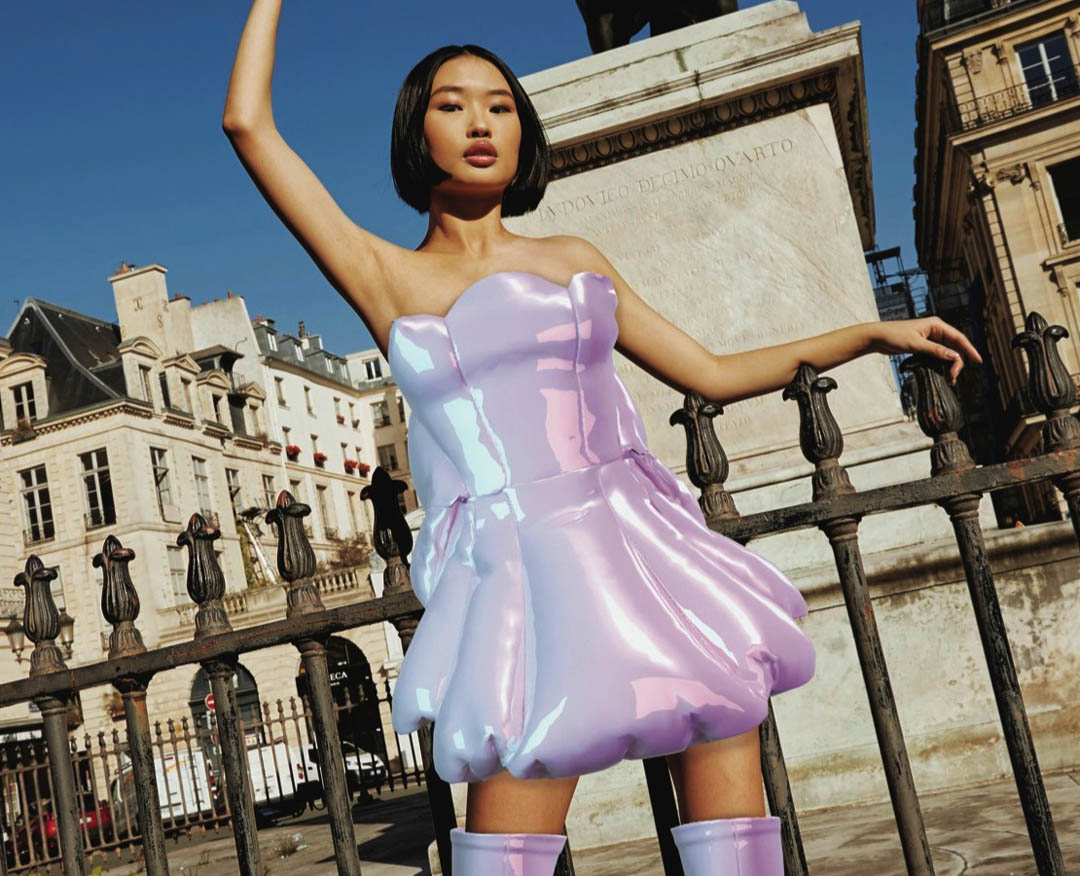
There are limitations to the emergence of AI fashion. Concerns around data privacy, intellectual property, and excessive reliance on algorithms are becoming more important from an ethical standpoint. Furthermore, not everyone has the resources or expertise to take part in this tech-driven change, thus, digital fashion still needs greater accessibility.
Nevertheless, the advantages greatly exceed the difficulties. AI-driven fashion brands, virtual fashion weeks, and smart textiles with integrated technology that can alter color or texture as AI develops. The distinction between online and offline fashion will keep becoming blurry.
Conclusion:
The emergence of AI fashion designers and digital clothing is transforming creativity, sustainability, and self-expression in fashion. Fashion will leverage 3D digital wardrobes and AI-assisted design studios. It focuses on smarter, greener, and more inclusive approaches. This synergy between humans and machines enhances rather than replaces creativity.