







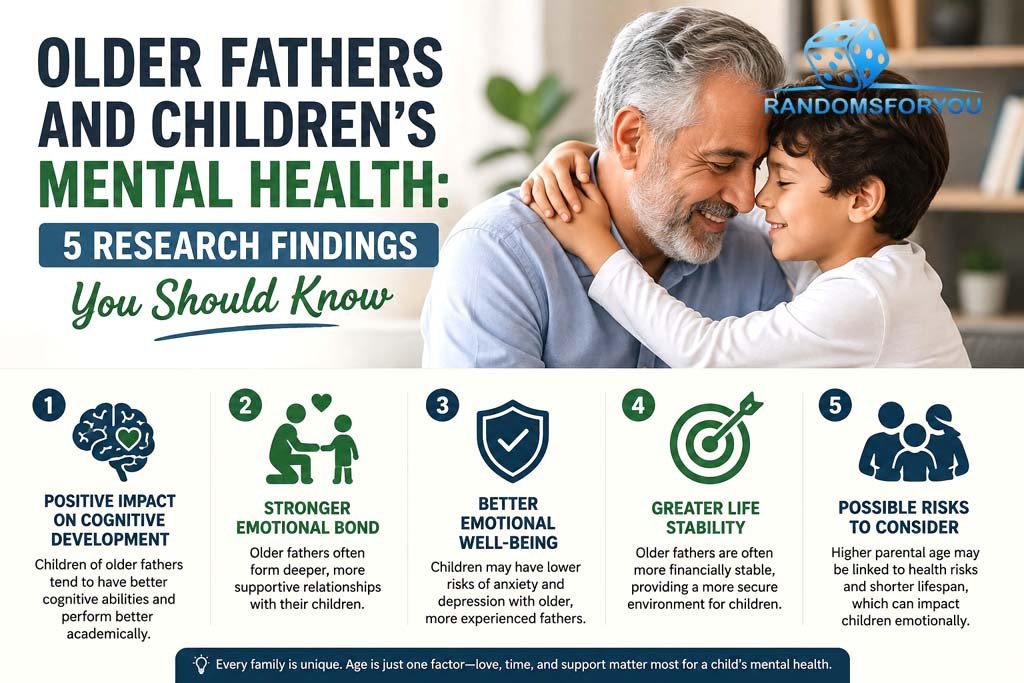
What Research Says About Older Fathers and Children’s Mental Well-Being
Today, many men decide to become fathers later in life. Some wait until they have a stable job, while others want to be financially secure before starting a family. Because of this, the average age of fathers has increased in many parts of the world. This change has encouraged researchers to study whether a father’s age has any effect on a child’s mental health.
Over the years, several studies have looked at this topic. Some research suggests there may be a small link between older fathers and certain mental health or developmental conditions in children. However, this does not mean that every child born to an older father will face these problems. In fact, most children of older fathers grow up healthy and live normal lives.

Why Do Scientists Study a Father’s Age?

Researchers study many things that can affect a child’s growth and health. These include family history, genetics, nutrition, education, and the home environment. A father’s age is only one of many factors being studied.
As men grow older, small natural changes can happen in their reproductive cells. Some scientists think these natural changes might lead to a small increase in certain genetic variations. Even so, age alone cannot decide a child’s future, and many other factors are much more important.

What Does the Research Show?

Some studies have found that children of older fathers may have a slightly higher chance of developing conditions such as autism spectrum disorder or schizophrenia. Researchers have also explored possible links with a few other mental health conditions.
However, these studies only show a possible connection. They do not prove that an older father directly causes these conditions. Other factors, such as family medical history, pregnancy health, and the child’s environment, may also play a role.

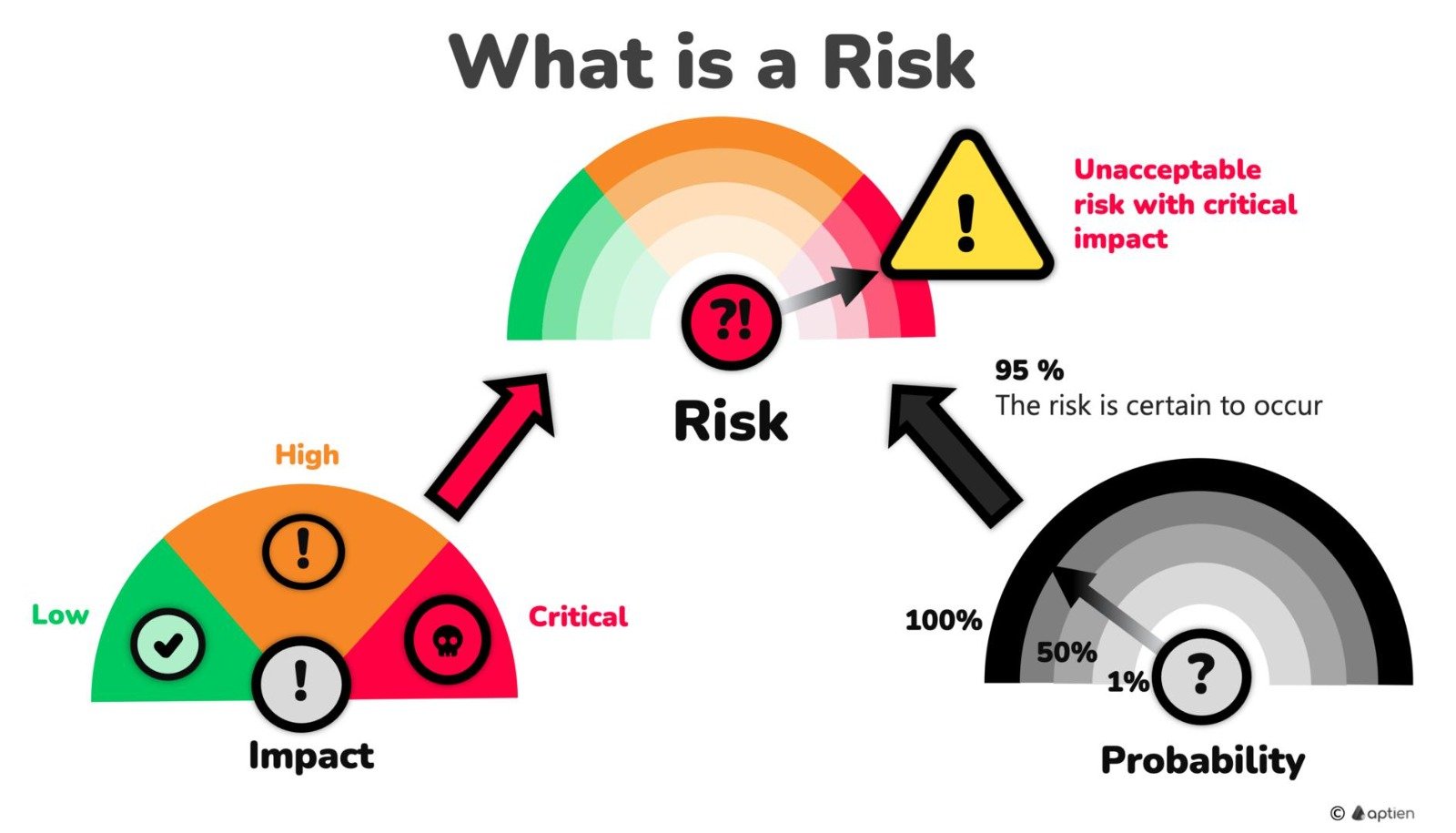
Understanding the Meaning of Risk
The word risk can sometimes be confusing. It simply means that the chance may be a little higher compared to another group.
For example, even if research finds a small increase in risk, the majority of children born to older fathers still do not develop serious mental health conditions. This is why it is important not to misunderstand research findings.
Many Things Shape a Child’s Mental Health

Mental well-being depends on many parts of a child’s life, not only on a parent’s age.
A caring family, healthy food, good education, regular medical checkups, enough sleep, and emotional support all help children grow in a healthy way. Having loving parents and a safe home often has a much bigger influence on a child’s development than age alone.
Positive friendships, school experiences, and physical activity also support good mental health.

There Can Be Benefits to Older Fatherhood

While research sometimes talks about possible health risks, becoming a father later in life can also have advantages.
Older fathers often have more life experience and may feel better prepared for the responsibilities of raising a child. Many have stable careers and stronger financial security, which can help provide a comfortable home.
Some older fathers may also spend more quality time with their children and make thoughtful decisions about education, healthcare, and family life.
Every family is different, and many older fathers raise happy, healthy children.

Why More Studies Are Still Needed
Medical research is always improving. Scientists continue to study thousands of families to better understand how different factors affect children’s health.
As new information becomes available, experts learn more about the relationship between genetics, lifestyle, environment, and parental age. This helps doctors and researchers give better advice to families.
Since research continues to develop, recommendations may change as new evidence is discovered.
How Parents Can Encourage Good Mental Well-Being
No matter how old a father is, there are many simple ways to help children grow emotionally and mentally.
Parents can spend time talking with their children, listen to their feelings, encourage healthy habits, and provide a loving and supportive home. Regular exercise, healthy meals, enough sleep, and time for learning and play all help children stay physically and mentally healthy.
Every Child Is Unique
Research looks at large groups of people, but every child is different. Statistics cannot predict what will happen to one individual.
Many children with older fathers grow up to do well in school, enjoy successful careers, and live happy lives. Their future depends on many things, including love, care, education, opportunities, and personal experiences.
Instead of worrying about numbers, families should focus on creating a positive environment where children feel safe, supported, and encouraged.
Conclusion
Research suggests that there may be a small connection between older fathers and certain mental health conditions in children. However, this does not mean that a father’s age alone determines a child’s future. Most children of older fathers are healthy and develop normally.
Mental well-being is influenced by many factors, including family support, healthcare, education, nutrition, and daily life. A loving home and good care often make a much bigger difference than age alone.
Understanding the research can help families make informed decisions, but it is equally important to remember that every child is unique. With proper care, encouragement, and support, children can grow into healthy, confident, and successful adults regardless of their father’s age.


