





Who Owns SportPesa? Full List of Owners and Shareholders
Introduction
SportPesa is one of Africa’s most recognizable betting brands, having taken Kenya by storm since its launch in 2014. The company became a household name not just through its betting platform but through high-profile sponsorships of English Premier League clubs like Everton and Hull City . But behind the brand lies a complex web of ownership involving Kenyan, Bulgarian, and American investors—and a bitter legal battle that continues to unfold.
So who actually owns SportPesa? The answer is complicated, thanks to corporate restructuring, legal disputes, and allegations of fraudulent trademark transfers.

The Original Owners: Pevans East Africa

SportPesa was launched in Kenya in 2014 by Pevans East Africa, the company that pioneered sports betting in the country . From 2015 to 2019, Pevans paid approximately Sh152 billion in dividends, generating enormous wealth for its shareholders and creating new billionaires.
Key Shareholders in Detail
Asenath Wachera Maina

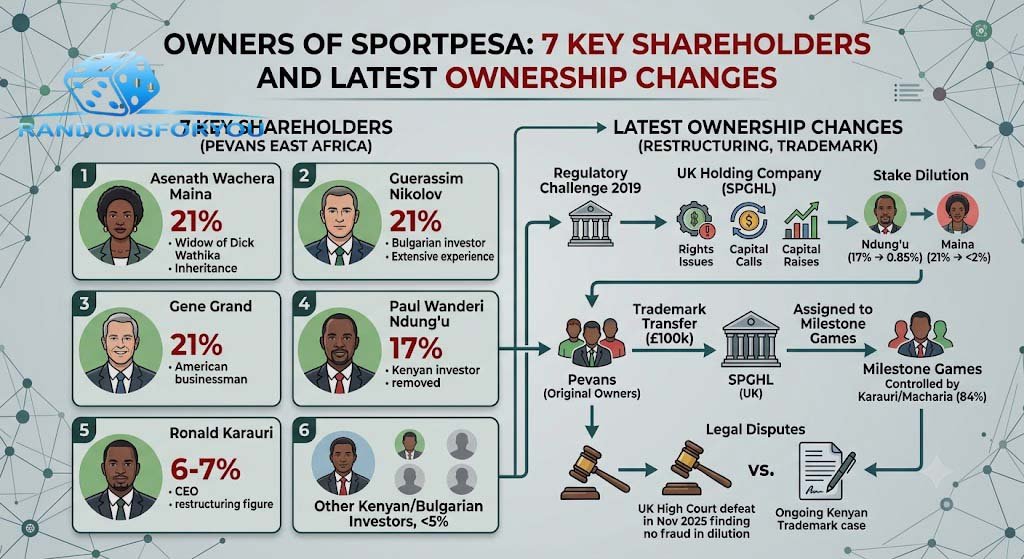
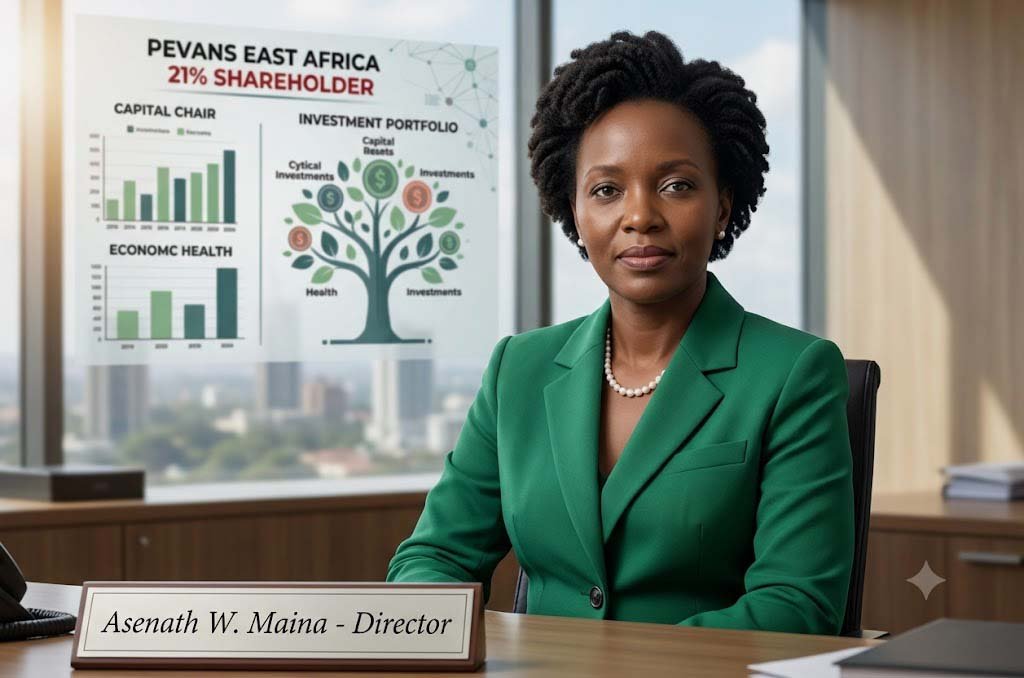
Wacera is the widow of the late Nairobi mayor Dick Wathika, a pivotal early backer who helped assemble the group behind SportPesa . Her 21% stake was inherited after Wathika’s death in 2015. She has remained a low-profile investor, preferring to let filings and court papers speak for themselves rather than making public statements .
Guerassim Nikolov
Nikolov is a Bulgarian investor who previously ran the ill-fated Toto 6/49 lottery in Kenya . His 21% stake made him one of the largest shareholders in Pevans .
Gene Grand
Grand is an American businessman who holds a 21% interest in the betting company .
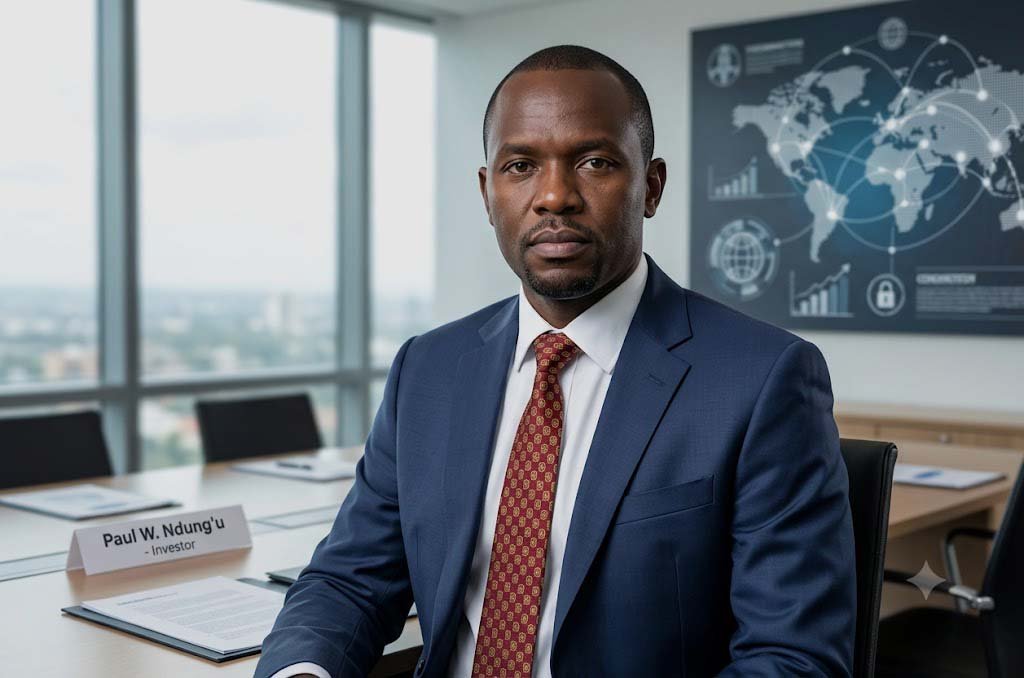
Paul Wanderi Ndung’u
Ndung’u is a respected investor in Kenya’s telecommunications industry and was previously one of SportPesa’s major shareholders. He owned a 17% stake in the company but was removed from the boards overseeing SportPesa’s international operations in 2021.He has since become the central figure in legal battles against the company .
Ronald Karauri
Karauri, a former Kenya Airways pilot, is the CEO of SportPesa . He reportedly joined the venture after the idea was conceived by someone he met at a casino . He owns a 6-7% stake and has been a key figure in the company’s restructuring and revival after regulatory challenges .
The Ownership Battle: Restructuring and Legal Disputes
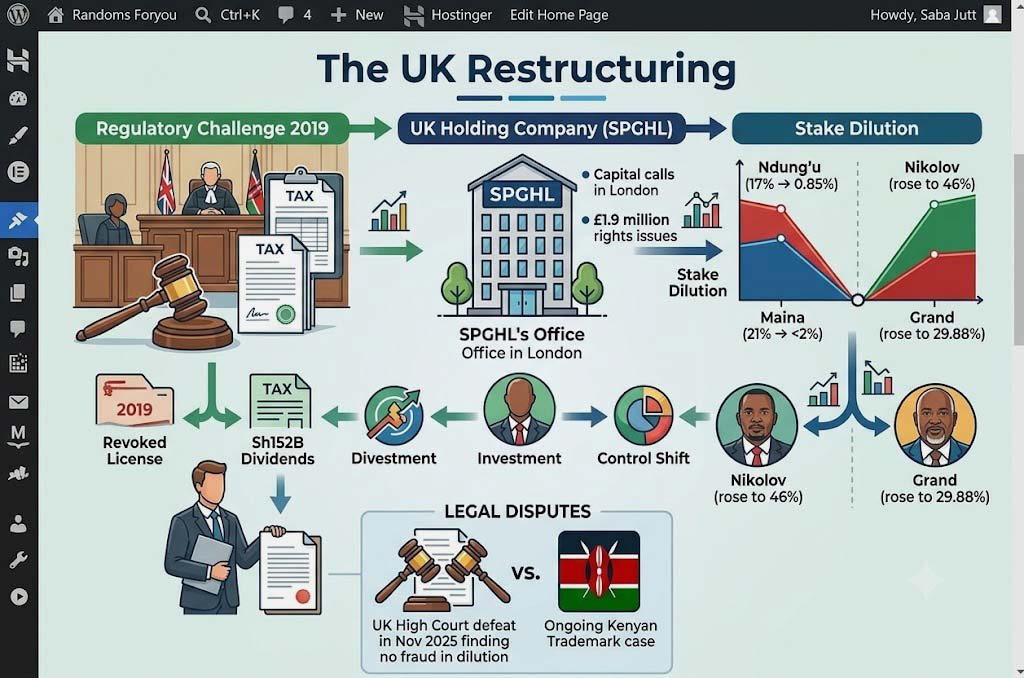
The ownership story took a dramatic turn in 2019 when the Kenyan government revoked Pevans’ license, citing tax arrears running into tens of billions of shillings . This triggered a series of events that led to the restructuring of SportPesa’s ownership.
The UK Restructuring
To keep the business solvent, the UK-based holding company SportPesa Global Holdings Limited (SPGHL) conducted three rights issues totaling £1.9 million in 2019 and 2021. The shareholder structure in the UK mirrored Pevans . When some investors—notably Ndung’u and Wacera—failed to participate in these capital calls, their stakes were diluted :
Ndung’u’s stake dropped from 17% to 0.85%
Wacera’s stake dropped from 21% to less than 2%
Meanwhile, Bulgarian investor Guerassim Nikolov’s stake rose to 46% and Gene Grand’s increased to 29.88% .
The Trademark Transfer
In June 2020, the SportPesa trademark was transferred from Pevans East Africa to UK-based SPGHL for £100,000 each, and later assigned to Milestone Games—a company now controlled by Karauri and Macharia with an 84% stake .
Ndung’u has challenged this transfer, alleging fraud, forgery, and tax evasion . He claims the deed of assignment used to transfer the trademark was fraudulent and that SPGHL was not even registered in Kenya .
The UK Court Defeat
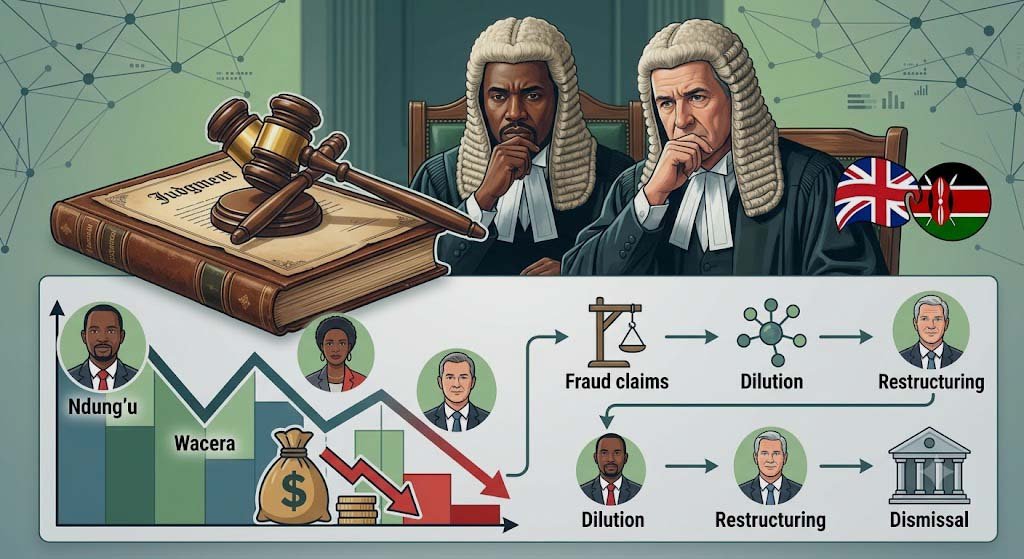
In November 2025, the High Court of Justice in London dismissed all claims brought by Ndung’u against SPG Limited. The judge found no evidence of fraud, forgery, or improper corporate governance . Ndung’u had argued that his shareholding was unlawfully diluted, but the court ruled his claims lacked proper evidence .
The court clearly outlined its conclusions:
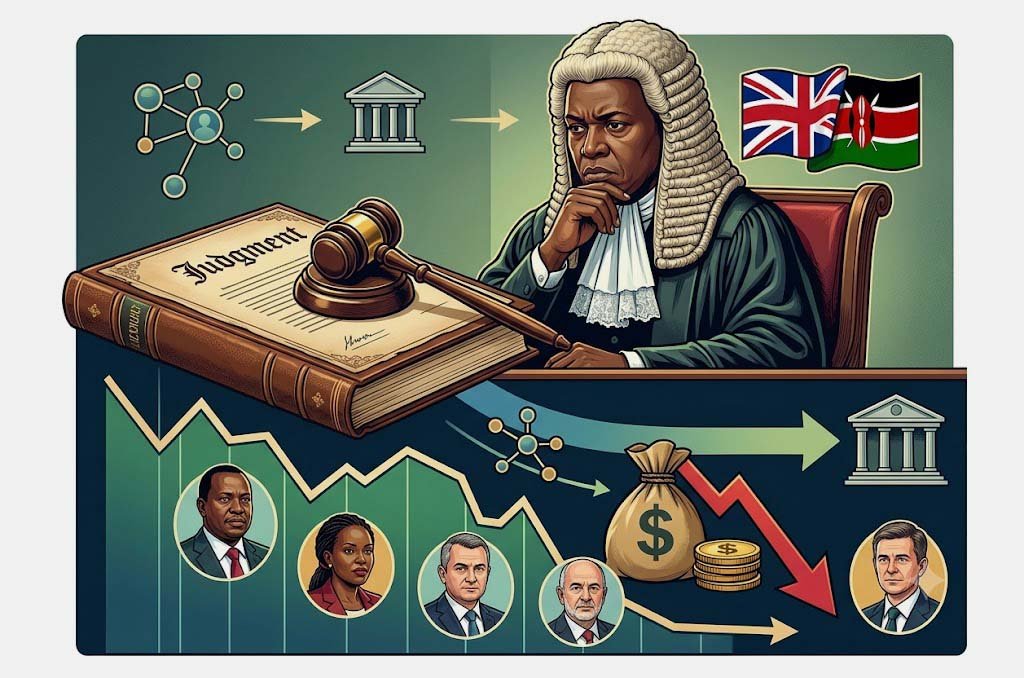
There had been no scheme to dilute Ndung’u
Ndung’u had not established any conduct that caused him prejudice
He had failed to subscribe for any of the three capital raises he challenged
The Kenyan Battle Continues
Ndung’u has also filed a suit at the Registrar of Trademarks in Kenya, seeking to reverse the transfer of the SportPesa brand back to Pevans . This case remains ongoing.
Conclusion
The ownership of SportPesa is a tale of massive wealth, international partnerships, and bitter legal battles. The brand was established by an international team of investors from Kenya, Bulgaria, and America, eventually becoming a leading name in Africa’s sports betting industry. But the restructuring triggered by regulatory challenges in 2019 led to dilution of some shareholders’ stakes and a court battle that has yet to fully conclude.
While the London court has ruled in favor of SportPesa’s current leadership, the Kenyan case over the SportPesa trademark continues, meaning this ownership saga is far from over.
About the Author
My name is Dua Qamar, and I am a content writer with a keen interest in business and corporate investigations.
Why I Wrote This Article
SportPesa is a brand that many people know, but very few understand the complex ownership structure behind it. The company’s journey from a startup to a billion-shilling enterprise—and the subsequent legal battles over control—is a story worth telling.
How I Approached This Topic
To ensure accuracy, I relied on court documents, regulatory records, and coverage from reputable Kenyan business publications. I cross-referenced multiple sources to ensure accuracy and provide a comprehensive picture of the ownership structure and ongoing disputes.
Who This Article Is For
This article is for anyone curious about who really owns SportPesa—from bettors to business enthusiasts to journalists investigating the company.
The Message I Hope Readers Take Away
The journey of every thriving brand is built on ambition, teamwork, and occasional challenges. Understanding who owns the companies we interact with is crucial to understanding the power structures that shape our economy.
Written by: Dua Qamar


