
Maintaining Work Life in Remote Era:
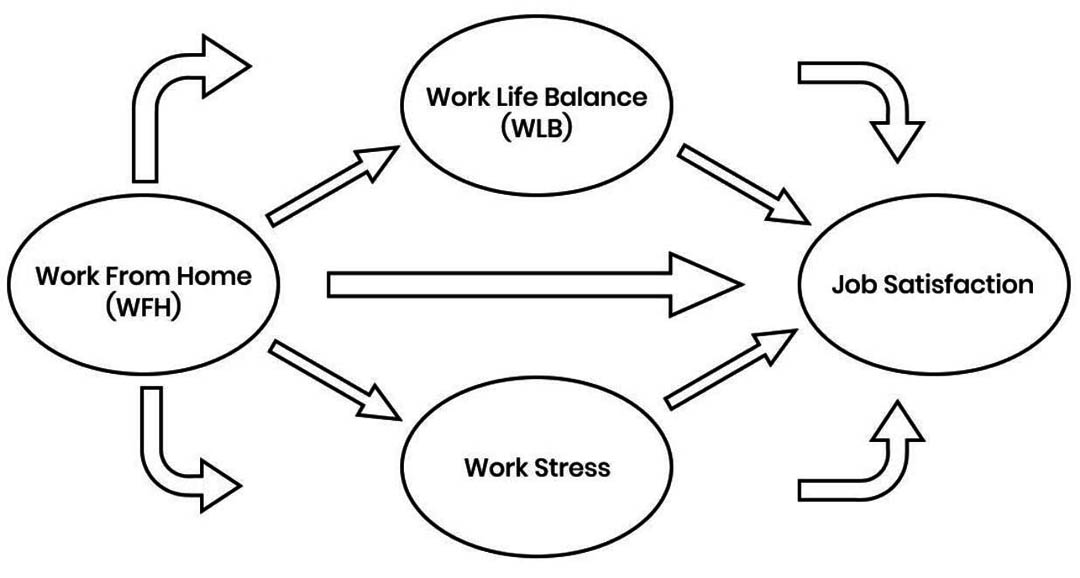
The modern workplace has undergone a dramatic transformation to maintaining work life due to the rise of remote employment. Although working from home provides independence, convenience, and flexibility. It also makes it more difficult to distinguish between business and personal life. Many remote workers struggle to “switch off,” which can result in stress, burnout, and decreased productivity.
Set clear Boundaries between Work and Personal Life:
The conflict between home and workplace life is one of the main issues to maintaining work life with working remotely. You should establish distinct boundaries between your personal and professional obligations to maintain stability.
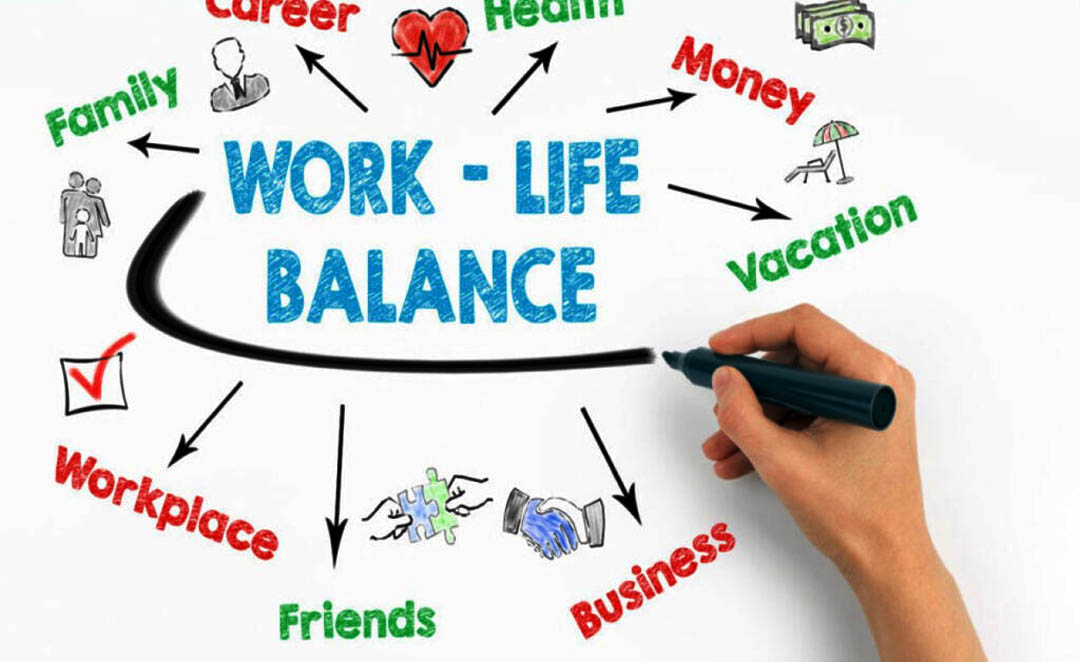
Set aside a particular spot in your house for working. It only needs to be an area that your brain associates with productivity; it doesn’t need to be an entire office. You should decide on working hours and maintain a routine. To prevent overworking, log in and exit at the same time every day. Let employees know your working hours to avoid interruptions after hours. This system teaches your mind to concentrate while working and calm at the end of the day.
Prioritize Time Management:
Effective time management is essential for success when working remotely. It’s simple to become confused or lose track of time without the routine of a regular office. Make use of resources and methods that increase concentration and productivity:
Use the Pomodoro Technique, work in concentrated 25-minute bursts and take 5-minute pauses. Arrange tasks for designated periods of time during the day. You should use digital applications such as Trello, Notion, or Todoist to plan your daily objectives.

Intentionally managing your time will increase your productivity and free up more time for personal actions. It will help you stay balanced and avoid burnout.
Embrace Flexibility and stay Disciplined:
Flexibility is one of the biggest benefits of maintaining work life of working remotely. However, flexibility can easily turn into anarchy without discipline.
You should establish realistic yet adaptable objectives for the day. You should change your plans if you have to go to a family gathering or go for a noon stroll, but make sure to make up the time later.
Flexibility should increase it instead of decreasing your productivity. The secret is staying true to promises while taking advantage of the independence that comes with living remotely.

Incorporate Movement and Physical Wellness:
A sedentary lifestyle brought on by remote employment frequently has an adverse effect on one’s physical and mental well-being. You should do exercise every day to keep things in balance. Even a quick stretch in between chores, a yoga class, or a 20-minute stroll will help you focus and feel more energized.
Maintain proper posture by using proper seating to avoid tiring your neck and back. Every hour, take an active break by getting up, stretching, or moving about. In addition to maintaining physical health, exercise enhances focus, lowers stress levels, and promotes sustained productivity.
Stay Socially Connected:
If you’re a social butterfly to maintaining work life, then working remotely might be lonely, particularly. You should take part in online meetings and informal conversations with coworkers to encourage team collaboration, to avoid loneliness and maintain relationships. Try to get together for coffee or co-working sessions with friends or coworkers. Take care of your personal relationships by spending time with your loved ones after work.
Your emotional well-being depends on social interaction. It keeps you inspired, creative, and engaged with the world outside of your computer screen.
Practice Digital Detox:
Screens have taken over our lives in the distant era, from laptops and phones to online meetings. Excessive screen time can cause mental depletion, weariness, and eye strain.
After hours, turn off work notifications to prevent this and engage in digital elimination. Establish “no-screen” periods, particularly before bed or during meals. Take up offline pastimes such as writing, gardening, painting, or reading. Maintaining a healthy distance from technology enhances your mood, sleep quality, and mental recharge.
Focus on Mental Health and Mindfulness:
Managing your time is only one aspect of work-life balance. It is another way of taking care of your mental and emotional well-being to maintaining work life.

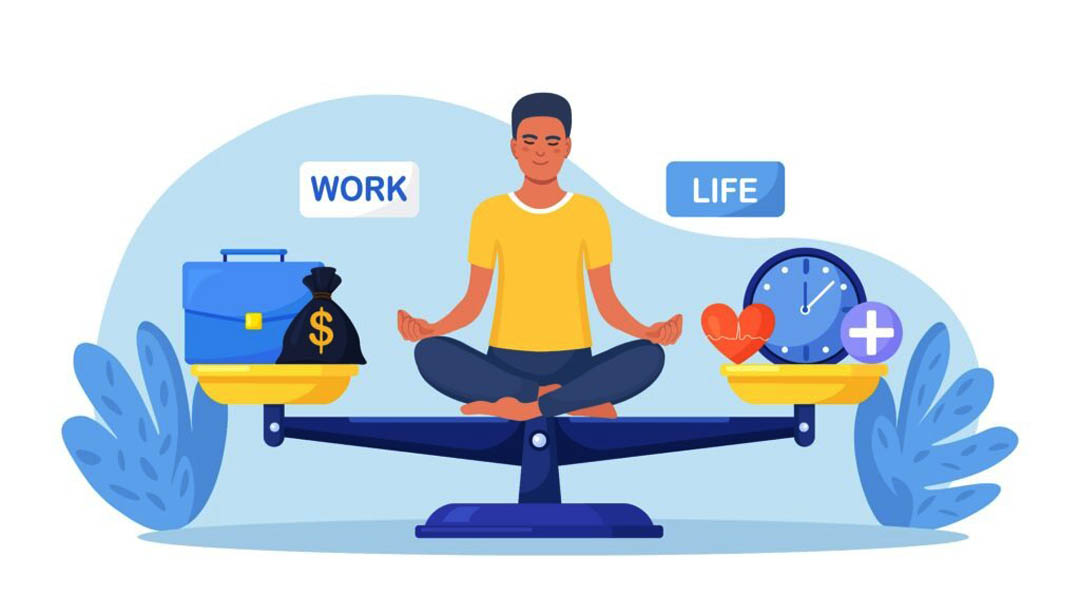
Meditate every day for mental clarity and anxiety reduction. Write down three things for which you are grateful every day as a way to develop gratitude. When you’re feeling overburdened, take mental wellness days. Mindfulness enables you to identify stress early and take appropriate action before it negatively impacts your personal or professional life by increasing self-awareness.
Set Career Goals:
Achieving the ideal work-life balance involves connecting your professional objectives with your values and ambitions. Whether it’s family, creativity, travel, or lifelong learning, think about what really matters and build your work habits around those values.
You will feel less pressure and more fulfilled when your personal beliefs and business objectives connect, even in a tough remote work environment.
Conclusion:
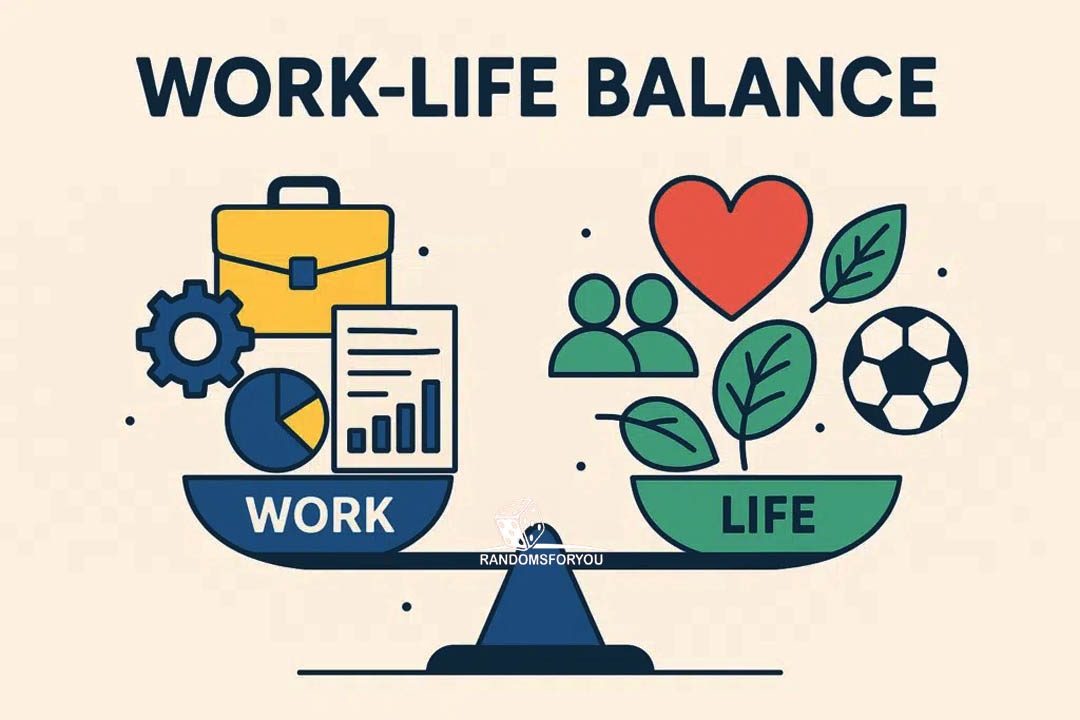
A perfect of maintaining work life balance in the remote era requires intentional changes, setting boundaries, managing time effectively, prioritizing well-being, and staying mindful. Mastering this balance leads to professional success and personal happiness.