







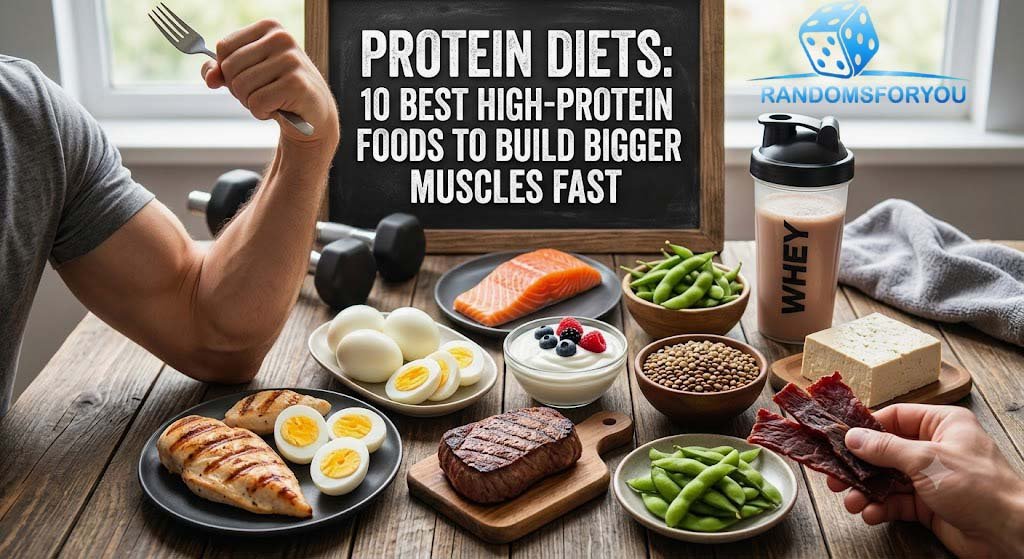
10 Protein Diets to Help Your Muscles Get Bigger
Introduction
Building muscle requires more than just showing up at the gym. You could spend hours lifting weights, but without proper nutrition, those efforts won’t lead to the growth you are looking for . Protein is the essential building block your body uses to create more muscle tissue . When combined with resistance training, a protein-rich diet provides the fuel needed for muscle protein synthesis—the process of repairing and rebuilding muscle fibres after exercise .
A common question is how much protein is actually needed to build muscle. Research shows that consuming 1.6 to 2.2 grams of protein per kilogram of body weight daily, combined with strength training, is effective for muscle gain . For a 150-pound (68 kg) person, this means approximately 109 to 150 grams of protein per day . Whether you choose animal-based or plant-based sources, the key is consistently hitting your daily target .
Here are ten protein-packed foods that can help you reach your muscle-building goals .

1. Eggs – The Complete Protein Powerhouse

Eggs are one of the highest-quality protein sources available, containing all nine essential amino acids in proportions the body can readily use . They are especially high in leucine, an essential amino acid that plays a vital role in stimulating muscle protein production and supporting muscle growth.One large egg provides about 6 to 7 grams of protein .
What makes eggs especially valuable is that eating the whole egg is more beneficial for muscle growth than egg whites alone. Research has shown that men who ate whole eggs after resistance exercise experienced greater muscle protein synthesis than those who consumed only egg whites—this is because the yolk contains around 40% of the total protein .
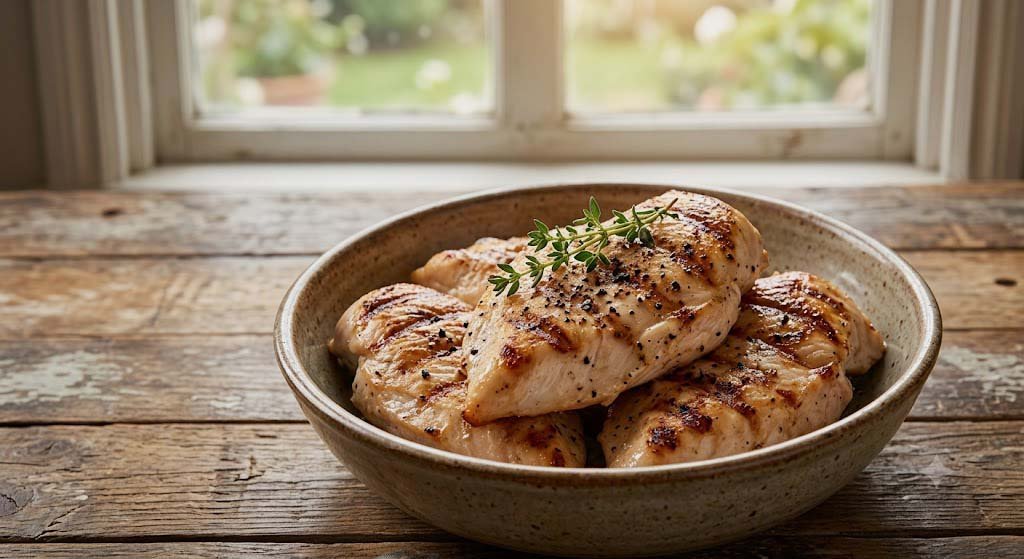
2. Chicken Breast – Lean and Protein-Dense
Chicken breast is a popular choice for muscle-building meal plans because it provides a rich source of lean protein while being low in fat. A 3-ounce serving of grilled chicken provides approximately 25.9 grams of protein with only around 128 calories, making it one of the most efficient sources of lean protein available . It also contains beneficial nutrients like creatine, carnosine, and beta-alanine, which help reduce muscle soreness and support recovery .
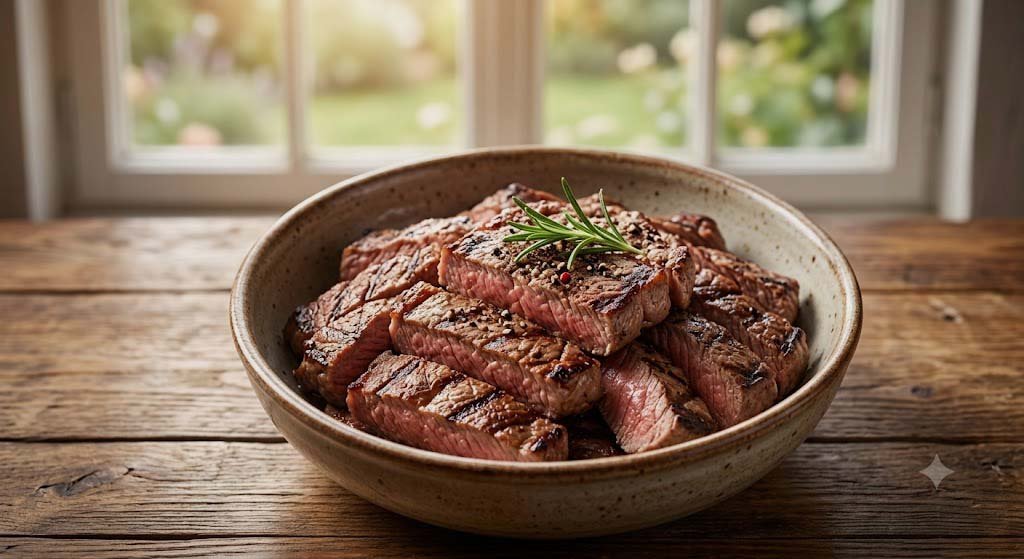
3. Lean Beef – Packed with Muscle-Building Nutrients
Beef is not only rich in protein—about 25 grams per 3-ounce serving—but also contains several compounds that directly support muscle growth . It provides creatine, which increases energy stores in muscles and enables harder workouts, L-carnitine for energy production, and carnosine, an antioxidant that helps reduce muscle soreness . Opt for lean cuts like 93% lean ground beef to keep fat intake in check .
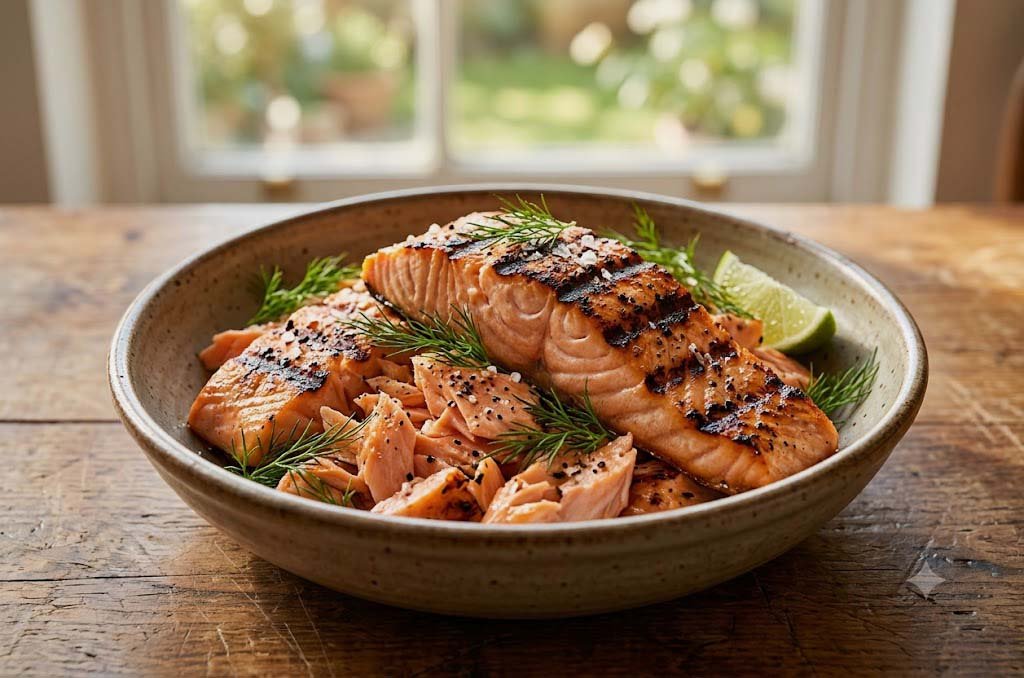
4. Fish – Omega-3 for Recovery

Fish like salmon, tuna, and cod are excellent protein sources, with about 20 grams per 3-ounce serving . Fatty fish, in particular, provide omega-3 fatty acids, which have anti-inflammatory effects that can reduce muscle soreness after workouts and support quicker recovery . Omega-3s may also help boost muscle growth directly . Canned tuna is a budget-friendly option, but limit albacore tuna to once per week due to mercury concerns .

5. Greek Yogurt – A Protein-Packed Alternative to Regular Yogurt
Greek yogurt contains more than twice the amount of protein found in regular yogurt—about 22.7 grams per 8-ounce serving compared to just 11.9 grams in regular yogurt . It is also rich in casein, a slow-digesting milk protein that keeps amino acid levels elevated in the bloodstream for longer periods, supporting muscle repair, particularly when consumed before bed . Studies have shown that Greek yogurt consumption enhances muscle growth both after exercise and during rest .
6. Cottage Cheese – High in Casein and Leucine
With about 25 grams of protein per cup, cottage cheese is one of the highest-protein dairy products available . It is high in leucine, essential for protein synthesis and muscle repair, and also provides calcium and magnesium, minerals crucial for muscle function . Its casein content makes it an excellent choice before sleep for overnight muscle repair .
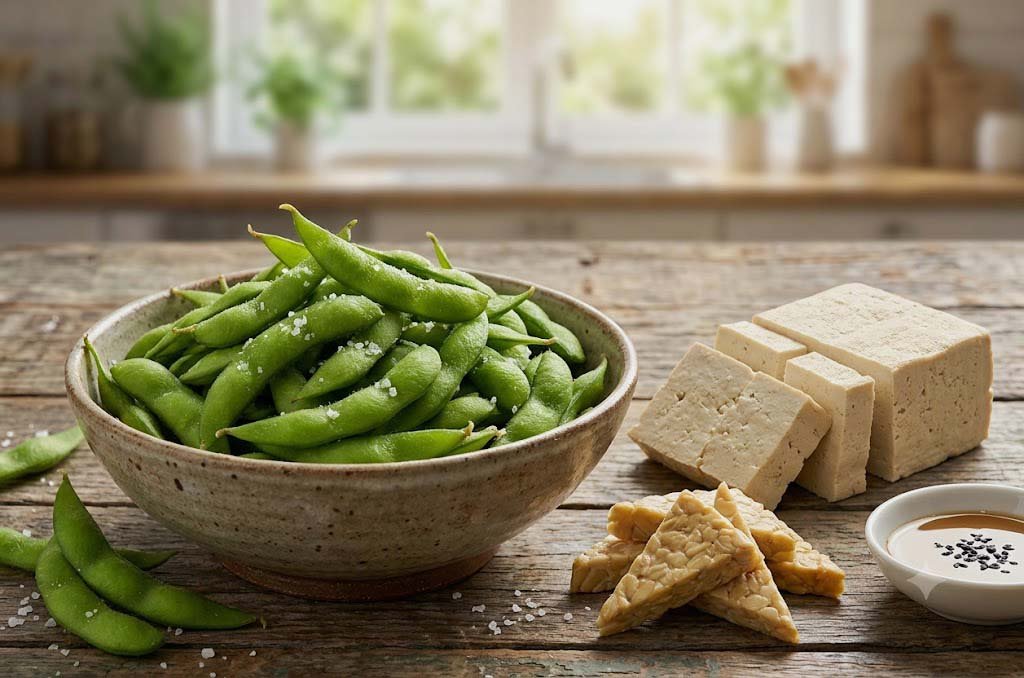
7. Soy-Based Foods – The Plant-Based Powerhouse
For those following plant-based diets, soy products like tofu, tempeh, and edamame are among the best protein options available. A 3-ounce serving of tempeh provides about 18 grams of protein, while one cup of edamame offers 18.5 grams . Soy protein contains all essential amino acids and research shows it works just as effectively as whey protein for building muscle . Tofu, tempeh, and seitan are “almost comparable to meat in protein per ounce” .
8. Lentils – Protein and Carbs for Post-Workout Fuel
Lentils are a top plant-based protein source, offering about 17.9 grams of protein per cooked cup . They also provide complex carbohydrates—about 39.8 grams per cup—making them ideal for post-workout recovery by replenishing muscle glycogen stores . Since lentils are rich in fibre, it is best to eat them after training rather than before to avoid digestive discomfort .
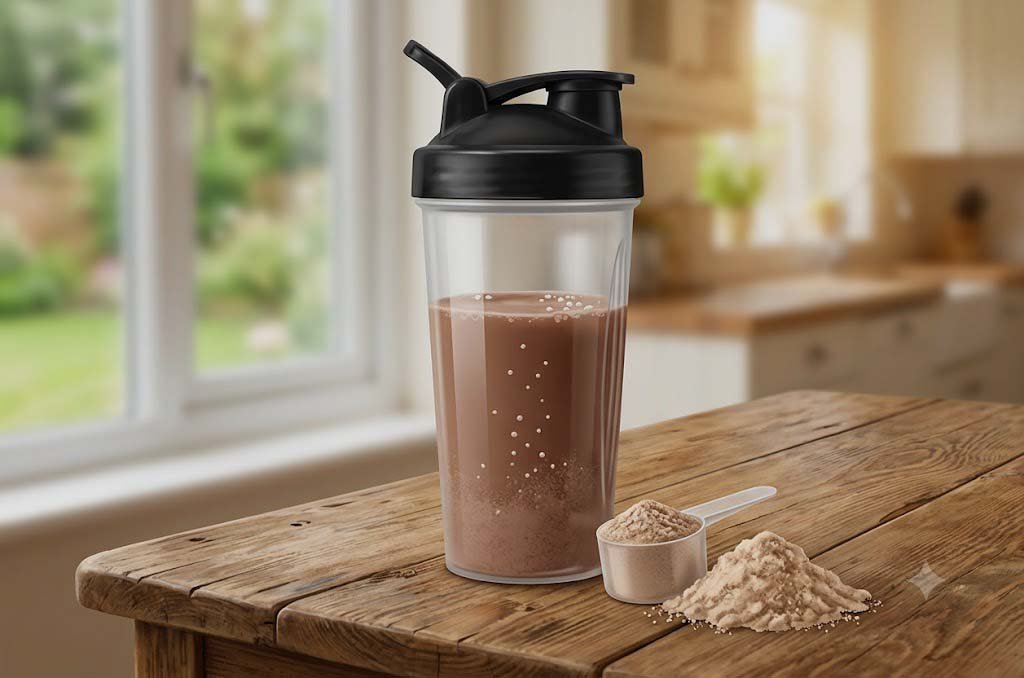
9. Whey Protein – Fast Absorption for Recovery
Whey protein is one of the most studied and effective supplements for muscle growth. It contains around 43% essential amino acids, with 26% being branched-chain amino acids (BCAAs) like leucine, which are key for stimulating muscle protein synthesis . Whey protein accelerates postprandial amino acid absorption and promotes anabolism more effectively than many other protein types . Just one ounce of whey protein isolate provides about 25 grams of protein .
10. Collagen Peptides – A Unique Option for Joints and Muscle
Collagen peptides offer a convenient way to boost protein intake—a 20-gram serving delivers 20 grams of protein . Research suggests that men who consumed 15 grams of collagen peptides within an hour after resistance training experienced greater improvements in muscle mass and strength than those who did not take the supplement to those taking a placebo . Unlike other protein powders, collagen can be mixed into both hot and cold beverages without clumping.
Key Takeaways for Muscle Growth
Prioritize daily protein intake: Aim for 1.6–2.2 grams per kilogram of body weight .
Spread intake across meals: Consuming around 20–40 grams of protein per meal is more effective for muscle protein synthesis than eating it all at once .
Mix animal and plant sources: Animal proteins are complete and have superior digestibility, while plant proteins can be just as effective when combined properly .
Don’t forget carbs and healthy fats: Carbohydrates fuel workouts and replenish glycogen, while fats support hormone production .
About the Author
My name is Dua Qamar, and I am a content writer passionate about fitness, nutrition, and helping people achieve their health goals.
Why I Wrote This Article:
I wrote this piece because many people work hard in the gym but don’t see the results they expect—often because they are not fueling their muscles properly. Understanding which foods deliver the best protein for muscle growth can make all the difference. I wanted to provide a practical, evidence-based guide that cuts through the confusion and helps readers make smarter choices.
How I Approached This Topic:
My research involved examining nutritional data, scientific studies, and expert recommendations from dietitians and sports nutritionists. I focused on foods that are both effective and accessible.
Who This Article Is For:
This article is for anyone looking to build muscle—whether you are a beginner or a seasoned athlete.
The Message I Hope Readers Take Away:
Muscle growth is not just about training hard—it is about feeding your body the right fuel. Consistency and quality of protein intake are the foundation.
Written by: Dua Qamar


