







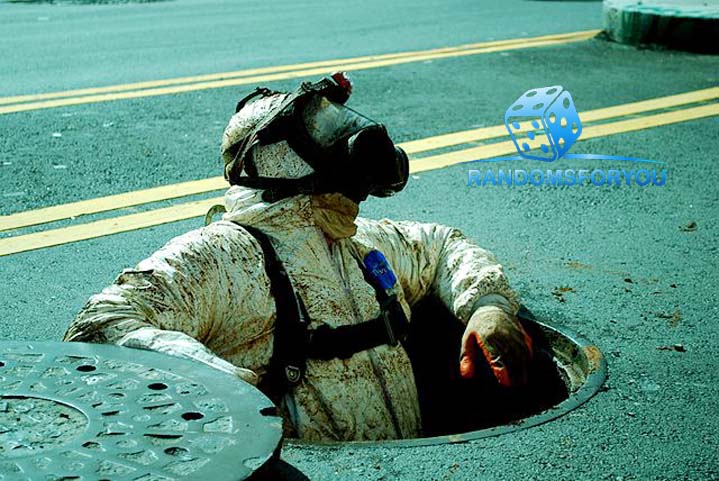
Down the Drain: The World’s Most Unwanted Job
Introduction: A Job Nobody Wants
Every morning, millions of people wake up, grab coffee, and head to work. Some sit in offices. Some drive trucks. Some teach children. But there’s one profession that almost nobody dreams about as a child—sewer cleaning.
It’s dark. It’s dangerous. It smells terrible. And yet, someone has to do it. Without these unsung heroes, our cities would literally drown in waste. This is the story of the world’s most unwanted job.
What Exactly Does a Sewer Cleaner Do?
Sewer cleaners maintain the underground pipes that carry waste away from our homes and businesses. They remove blockages, clear debris, and ensure everything flows properly.


Sounds simple? It’s not. They work in cramped, pitch-black tunnels filled with toxic gases and raw sewage. One wrong step could be fatal. It’s a job that requires physical strength, mental toughness, and a stomach of steel.
The Smell: The First Challenge
The smell is what hits you first. Sewage, chemicals, and decay mix together to create an odor so powerful it lingers for days. Many workers say you never really get used to it. You just learn to tolerate it.


Some wear protective suits with breathing apparatus. Others rely on masks and sheer willpower. Either way, the smell follows them home. Their families can smell it on their clothes, their skin, their hair.
The Logic: The worse it smells, the more necessary the job. Someone has to handle it.
The Danger Factor
Sewer cleaning is not just unpleasant—it’s deadly. Workers face multiple risks every single day:
- Toxic gases like methane and hydrogen sulfide can kill in minutes
- Collapsing tunnels can trap them underground

- Diseases like hepatitis and leptospirosis spread through sewage
- Rats, snakes, and other creatures lurk in the darkness

Despite these risks, they show up. They suit up. They go down. Because if they don’t, the city stops working.
The Physical Toll
This job destroys bodies over time. Workers spend hours hunched over in tight spaces. They carry heavy equipment. They breathe in fumes. They expose their skin to corrosive waste.


Back problems, respiratory issues, and skin infections are common. Many retire early due to health complications. And yet, they keep going. Why? Because someone has to. Because this job pays the bills. Because they take pride in doing what nobody else will.
The Hidden Heroes
We never see them. They work beneath our feet while we go about our daily lives. We flush the toilet, wash the dishes, and take showers without ever thinking about where it all goes.


But there they are—in the dark, in the muck, keeping our world clean. They don’t get parades. They don’t get awards. But without them, our modern cities would be unlivable within days.
The Logic: The most important jobs are often the most invisible.
Why Do They Do It?
The answer varies. Some do it for the money—sewer cleaners in developed countries earn decent wages. Others do it because they inherit the family trade. Some simply see it as honest work that needs to be done.


But one thing unites them all: resilience. These are people who refuse to be defined by circumstance. They take pride in their work, even when nobody recognizes it.
Respect Where It’s Due
The next time you flush a toilet or wash your hands, spare a thought for the people below. They endure what most of us couldn’t survive. They face dangers we never see.


They keep our cities running while we remain blissfully unaware.They have the world’s most unwanted job. And they do it without complaint. That deserves our deepest respect.
Final Thought
We all dream of glamorous careers—famous, rich, respected. But real value isn’t always found in the spotlight. Sometimes it’s found in the shadows, beneath the streets, in places nobody wants to go. Sewer cleaners remind us that dignity isn’t about what you do. It’s about how you do it.


