


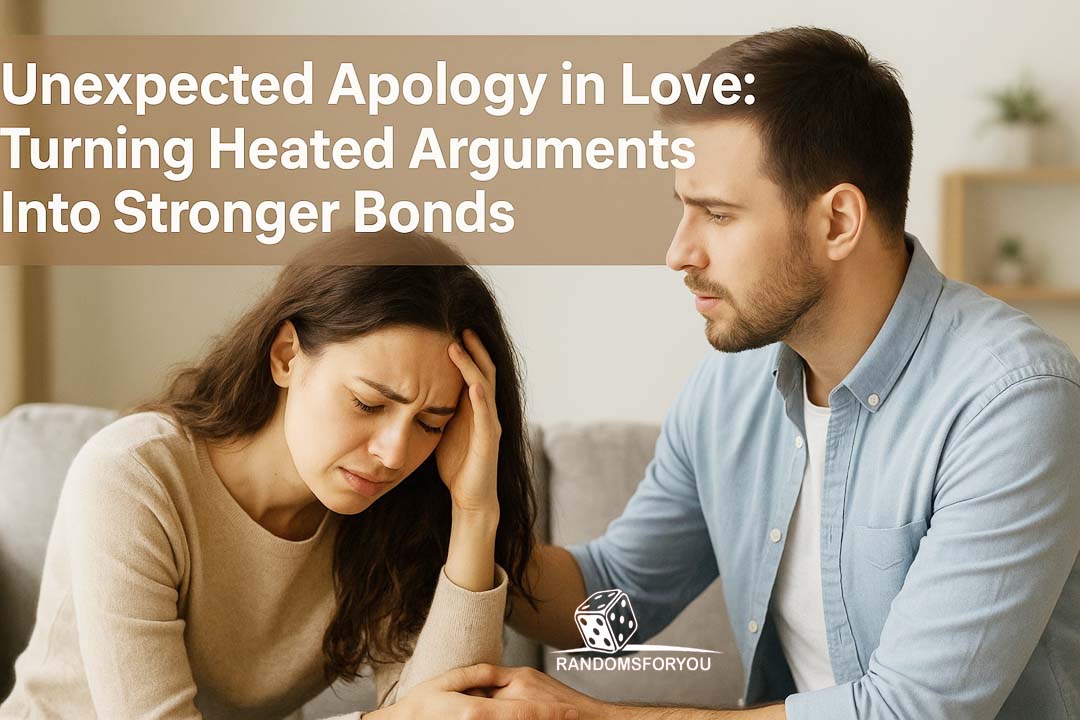
Heated Arguments:
Heated arguments are common in every relationship. On the other hand, the strength of a bond is often determined by how both parties handle the aftermath. A heated arguments ended with an unexpected apology, highlighting the potential for growth and connection.
Arguments that started everything:
It started as a minor argument, something nearly insignificant. She thought he wasn’t paying attention, but he thought she was exaggerating. The small spark soon turned into a spark, as it often did. Frustrations were expressed, voices were raised, and in the heat of the moment, words that neither of them really meant were said.

This kind of heated arguments can be depressing. When two people are standing next to each other, they are suddenly separated by an invisible wall. The tension that follows such a moment frequently leaves both parties wondering.
Silence after the Storm:
The room was silent as the heated arguments passed. She mentally replayed his statements, some of which were darker than she had anticipated. However, he paced in frustration, struggling with pride while realizing he had gone too far. After a disagreement, silence can be the most difficult since it allows for uncertainty, overanalyzing, and emotional distance.
At this point, many partnerships break down. Some choose not to initiate contact because they are too proud. Others try to keep their attention from the hurt by avoiding the conversation. However, the events that came after in this tale completely changed the course of events.

Unexpected Apology:
He decided to do something unique rather than ignore the tension or allow the stillness to continue. Firstly, he apologised, but not in the usual, hesitant manner that people occasionally do. He didn’t say, “Let’s just forget it,” or “I’m sorry you feel that way.” Rather, he took a seat, met her gaze, and said, “I was wrong.” I should have been listening to you, but I wasn’t. It’s unfair that I let my annoyance overpower my affection for you. I sincerely apologise.
She was taken aback. The sincerity and sensitivity that went into the apology were just as important as the apology itself. It made all the difference since he accepted his pride and admitted his error without defending it.
Significance of His Apology:
Only when they are sincere can an apology be a useful tool in a relationship. His apology was remarkable not because he said the words but because he meant them. He acknowledged his part in the heated arguments, showing that he valued the relationship over his ego, and acknowledged her sentiments.

Three essential components should be present in any successful apology, according to psychologists:
- Recognition of the violation.
- Confession of regret.
- Dedication to improving in the future.
His apology had such a great impact since it fulfilled all three points.
Her Reaction:
She wasn’t sure what to say at first. A part of her wanted to keep her frustration in order to keep herself safe from future harm. However, her barriers were overcome by the honesty of his remarks. She understood that despite the disagreement, there was still a strong link that needed to be preserved. Her frustration gradually disappeared, and she answered honestly, saying, “I know I overreacted too.” I appreciate your apology, and you have no idea how much it means.

Lesson in the Apology:
This was more than just an argument settling moment. It turned out to be a turning point in their relationship. They both discovered that arguments didn’t have to leave them permanently damaged. Rather, they might present chances for development, improved dialogue, and a deeper comprehension of the situation.
His apology showed that love is about being willing to make mistakes rather than always being correct. He allowed their relationship to grow stronger by putting humility over ego. She allowed forgiveness and trust by accepting his apologies.
Conclusion:
The story of an unexpected apology for heated arguments highlights the strength of a bond in heated moments, as honesty and humility can prevail. It shows that emotions can transform conflict into closeness, and that one moment of feelings can transform a breaking point into a new beginning.

