


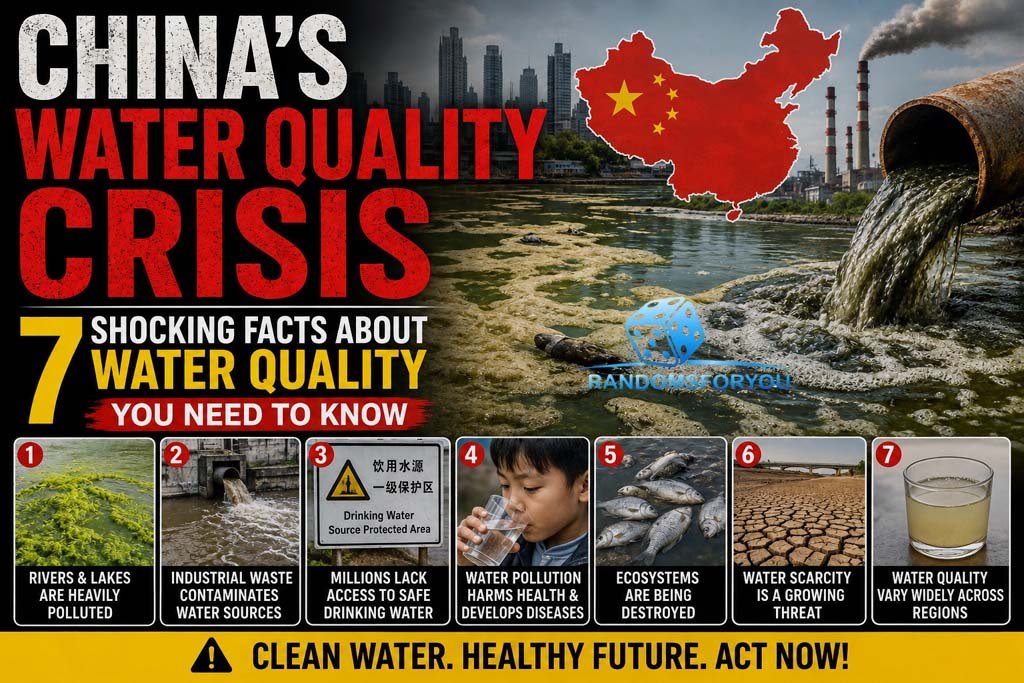
China’s Water Quality Crisis: Understanding the Challenges and Progress
Introduction
Water ranks among Earth’s most precious resources, sustaining human life, agriculture, industry, and ecosystems. Over recent decades, China has undergone remarkable economic transformation and urban expansion. While this development has elevated living standards for hundreds of millions, it has also created significant environmental pressures, particularly concerning the quality of the nation’s water resources.
In response, China has intensified efforts to rehabilitate rivers, modernize wastewater infrastructure, and implement tougher environmental safeguards. Though obstacles persist, notable advancements have been achieved in safeguarding water supplies.
The Roots of Water Quality Deterioration
Several interconnected factors contributed to the degradation of China’s water resources. Accelerated industrialization, demographic growth, and urban sprawl placed mounting stress on lakes, rivers, and underground aquifers.
Industrial waste, agricultural chemicals, domestic sewage, and urban runoff all played roles in degrading water quality across various provinces. As demand for potable water surged, protecting these vital resources became a national priority.
Industrial Expansion and Its Environmental Toll
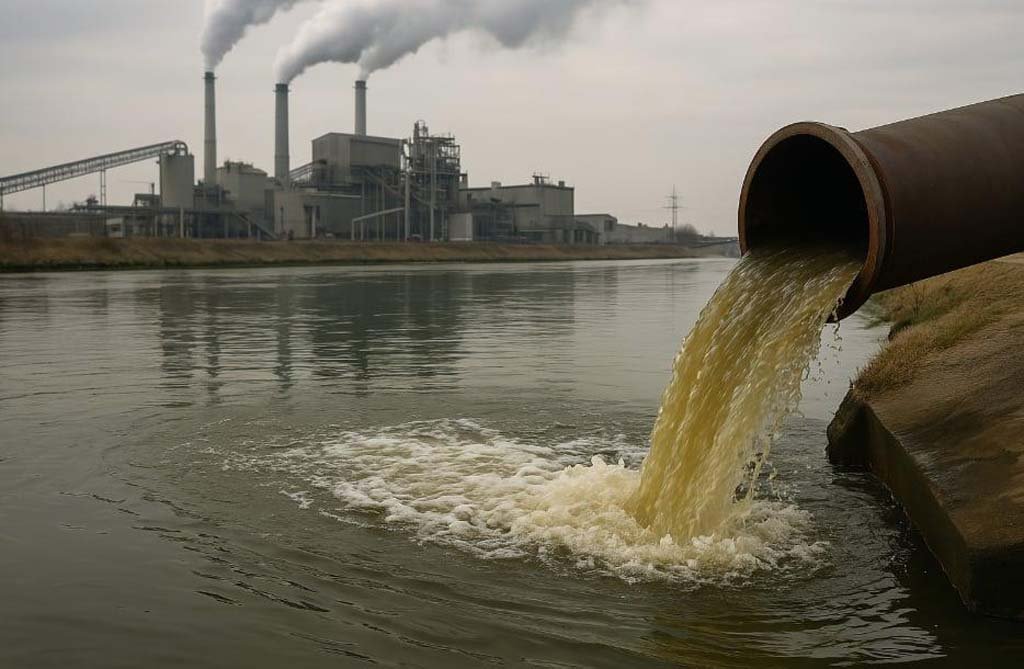
Manufacturing has driven China’s economic ascent. However, the rapid pace of industrial growth generated substantial wastewater discharge. Historically, some facilities released untreated effluents into waterways before environmental oversight strengthened.
Today, stricter regulations mandate that manufacturers adopt enhanced wastewater treatment protocols designed to curb contamination. These measures represent a shift toward more responsible industrial practices.

Urbanization Pressures
Metropolitan areas consume vast quantities of clean water daily. Expanding populations intensify demand for drinking water, sewage systems, and treatment facilities. Addressing these escalating requirements remains central to tackling water quality issues.
Innovative infrastructure projects are enhancing water management efficiency in numerous cities, demonstrating that urban growth and environmental protection can coexist with proper planning.
Agricultural Contributions
Farming, essential to food production, can inadvertently harm nearby waterways. Fertilizers and pesticides frequently wash into rivers and lakes during rainfall, affecting water quality. Adoption of sustainable agricultural techniques helps mitigate these environmental impacts while preserving crop yields.
Many regions are actively promoting improved farming methods to reduce agricultural runoff and protect surrounding water bodies.

Policy Responses
Combating water pollution has become a major environmental priority for Chinese authorities.
The government has introduced stricter environmental legislation, upgraded treatment infrastructure, improved monitoring systems, and launched comprehensive clean-up campaigns. Many waterways that once suffered severe contamination have shown measurable recovery through these sustained efforts.
Expanding Treatment Capacity
Advanced wastewater treatment plants are crucial for protecting aquatic ecosystems. China has substantially expanded its treatment capacity, enabling more domestic and industrial wastewater to be purified before being released back into natural waterways.
These facilities contribute to improved environmental conditions and safeguard public health.
Reviving River Ecosystems
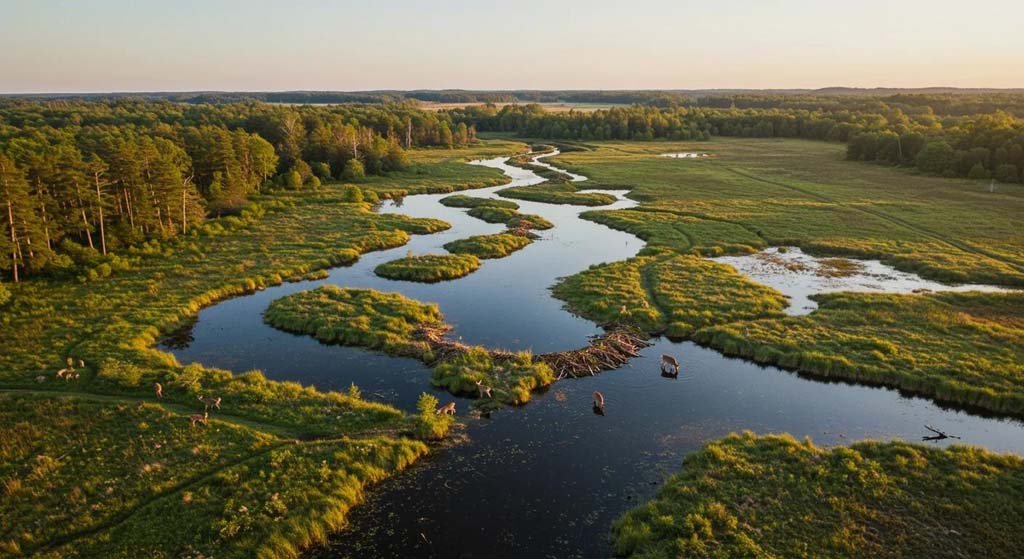
Numerous regions have prioritized river restoration as a critical environmental initiative. Restoration work includes reducing pollutant loads, rehabilitating wetland habitats, stabilizing riverbanks, and expanding environmental monitoring networks.
These restoration projects foster healthier ecosystems and enhance water quality for adjacent communities.
Growing Public Engagement
Environmental consciousness has grown significantly among Chinese citizens. Communities are encouraged to practice water conservation, minimize waste, recycle, and support local environmental initiatives. Public involvement complements governmental efforts in addressing water quality challenges.
Small contributions from many individuals can create lasting positive change over time.
Technological Innovations
Modern technology enables faster detection and response to contamination events. Environmental agencies utilize satellite surveillance, artificial intelligence, water quality sensors, and advanced laboratory analysis to identify pollutants and respond more swiftly.
Technological progress is enhancing environmental management capabilities across many regions.
Persistent Obstacles
Despite substantial achievements, protecting water resources remains an ongoing challenge. Continued pressures from urban development, climate variability, industrial activity, and rising water consumption demand sustained, long-term solutions.
Partnerships between governments, companies, scientists, and local communities continue to play a vital role in driving progress.
The Significance of Clean Water
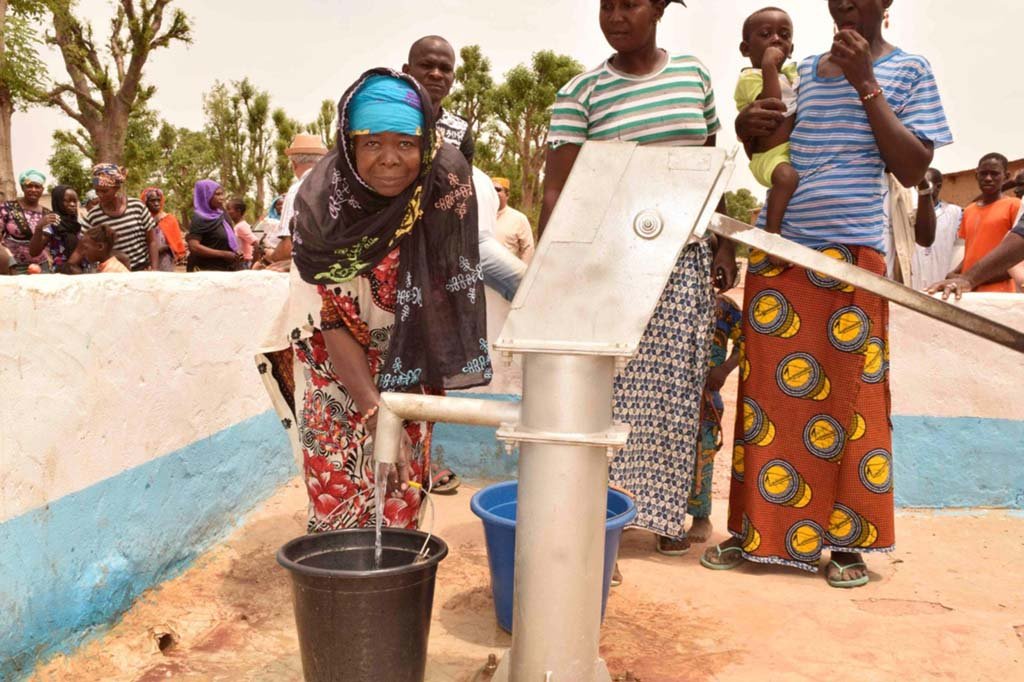
Access to safe, potable water is indispensable to daily existence. Healthy rivers supply drinking water, support agricultural production, sustain wildlife, promote recreation, and strengthen local economies.
Reducing water contamination benefits both human populations and natural ecosystems for generations to come.
Global Lessons
Many nations encounter comparable environmental challenges during phases of rapid development. China’s experience illustrates both the environmental costs of industrial growth and the necessity of investing in long-term ecological protection.
Other countries can draw valuable insights about balancing economic advancement with environmental stewardship.
Future Outlook
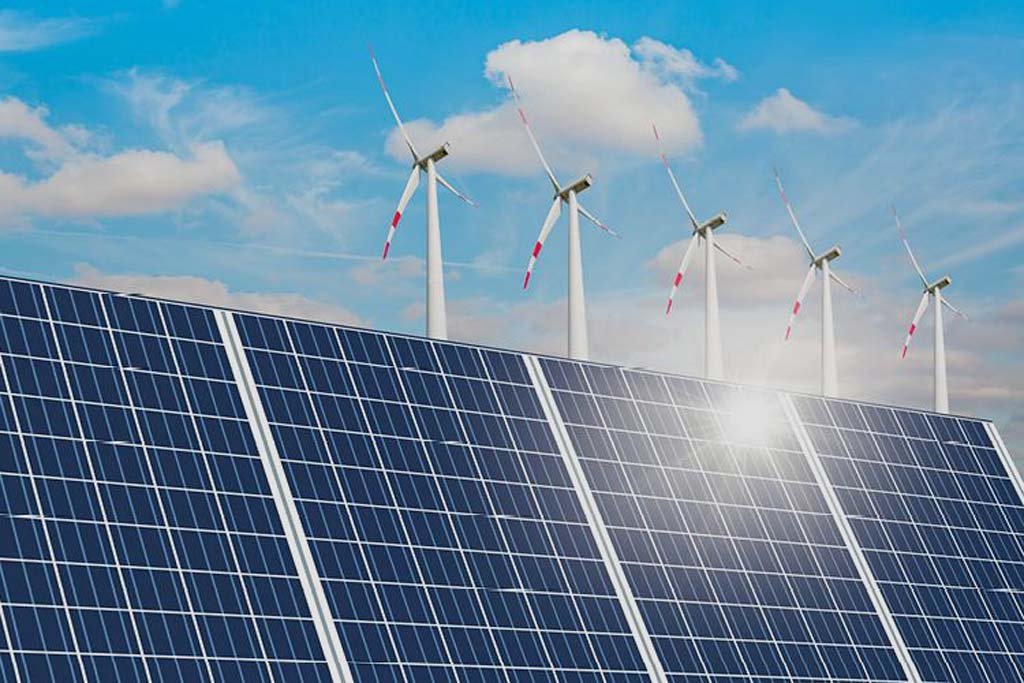
Environmental recovery often demands sustained effort over many years. Many areas have reported improved water conditions due to ongoing pollution control, treatment upgrades, renewable energy adoption, and stricter environmental regulations.
Future progress will depend on continued innovation, responsible resource governance, and sustained public awareness.
Conclusion
Rapid economic and urban growth have made water quality a significant environmental issue in China. While certain regions continue working toward cleaner waterways, substantial investment in environmental protection and water restoration has yielded encouraging results.
Protecting clean water remains one of every nation’s most critical objectives. Sustained cooperation, responsible development practices, and environmental mindfulness will help ensure healthier rivers, safer drinking supplies, and stronger ecosystems for future generations.
Personal Reflection
I wrote this piece because clean water is fundamental to every community’s well-being, yet it is frequently overlooked until contamination becomes severe. News reports and environmental studies about water quality worldwide motivated me to explore both the challenges countries encounter and the measures being taken to address them. Rather than emphasizing problems exclusively, I aimed to present both the causes of water pollution and the constructive actions underway.
My intention was to help readers understand who is affected, how pollution develops, and why protecting water bodies matters for future generations. Water pollution impacts people, wildlife, agriculture, and entire ecosystems, making it an issue deserving widespread attention.
I believe awareness is the starting point for meaningful change. By sharing balanced and accurate information, I hope this article encourages readers to value clean water, support conservation efforts, and make thoughtful choices in their own lives. Even modest individual actions can collectively contribute to protecting our environment.
Written by: Dua Qamar
