


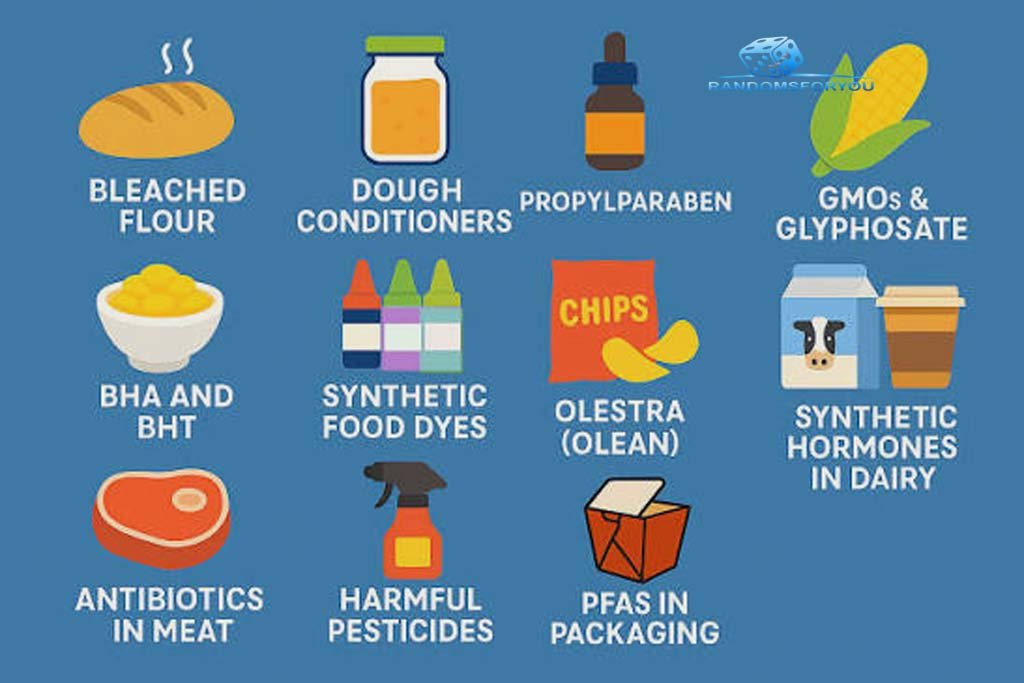
17 Foods That Are in Banned Various Countries
Introduction
Picture yourself reaching for a familiar snack, only to discover that it’s prohibited in another part of the world. Everyday food items we take for granted in one nation can be completely outlawed elsewhere for reasons ranging from health concerns and safety issues to ethical objections and cultural preservation. These bans offer fascinating insights into how different countries approach food regulation, risk assessment, and public health priorities.
Artificial Additives and Dyes
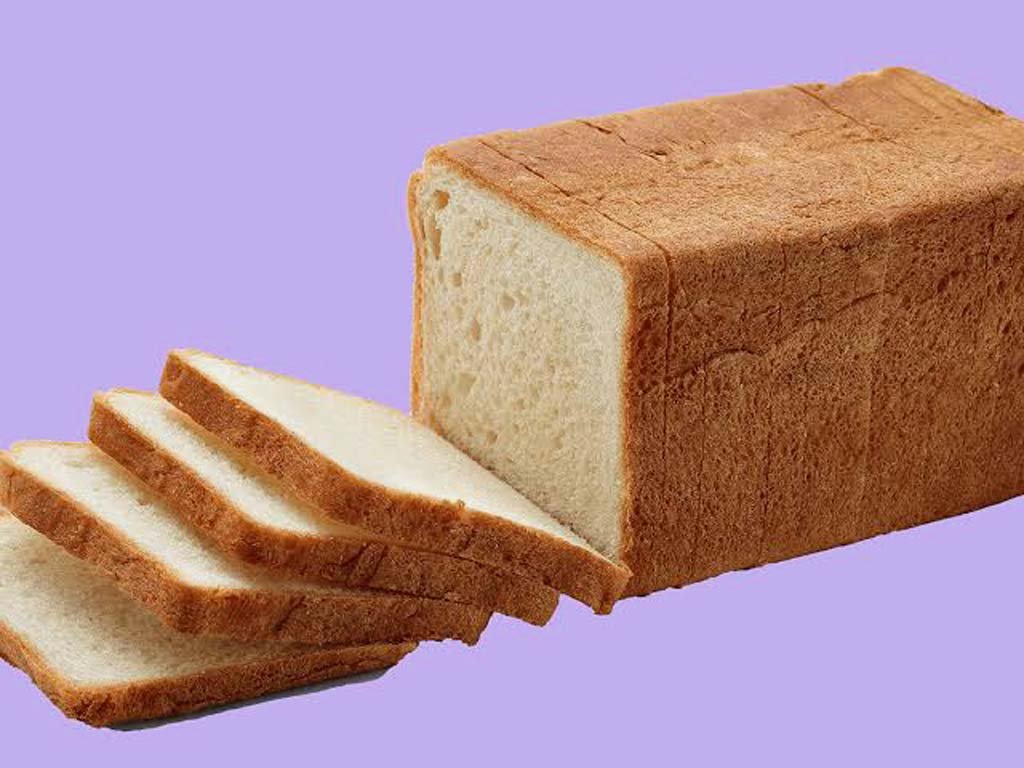
1. Potassium Bromate in Bread – Banned in the EU, UK, and India
This additive enhances bread’s fluffiness and elasticity. However, potassium bromate has been linked to cancer and is prohibited in numerous countries, though it remains permitted in the United States.
2. Artificial Food Dyes (Yellow 5, Red 40) – Banned in Norway and Austria
Commonly found in candies, sodas, and cereals like Froot Loops, these synthetic colorings have been associated with hyperactivity in children. Products like Twinkies, Skittles, and other brightly colored American snacks face restrictions in parts of Europe due to these additives.
3. Titanium Dioxide in Sweets – Banned in the EU
Used to provide a bright white appearance to products such as Skittles and Twinkies, titanium dioxide was prohibited in the European Union in 2022 over concerns about potential cellular and DNA damage.
4. Brominated Vegetable Oil (BVO) – Prohibited in Europe and Japan
Found in Mountain Dew and certain citrus sodas, BVO helps maintain even flavor distribution. Concerns about its potential effects on the nervous and reproductive systems have led some countries to restrict or prohibit its use.
Questionable Preservatives
5. BHA and BHT Preservatives – Banned in the EU, UK, and Japan
These preservatives, present in instant mashed potatoes, stove-top stuffing, and packaged snacks, prevent oils from spoiling but have been associated with cancer risks. They remain legal in the US.
6. Ractopamine in Pork – Banned in Over 160 Countries
This growth stimulant is used to promote muscle growth in pigs in the US but is prohibited in the EU, China, Russia, and many other nations due to concerns about heart and behavioral effects.
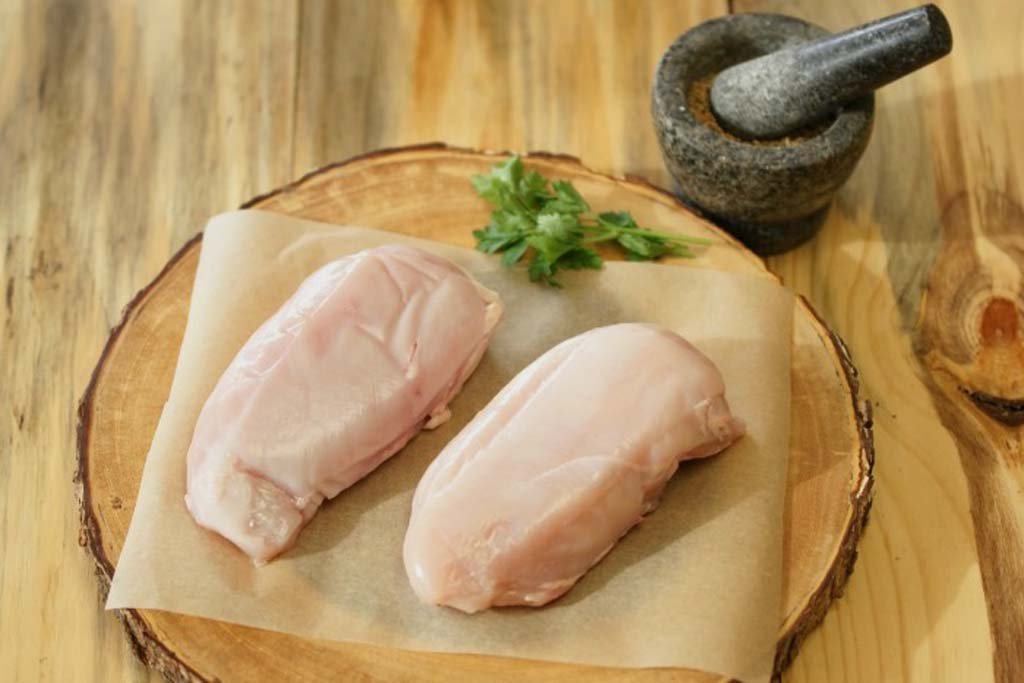
7. Chlorine-Washed Chicken – Banned in the EU
In the United States, poultry may be treated with chlorine-based solutions as a method of reducing the risk of Salmonella contamination. The EU maintains that high safety standards throughout the production process are preferable to relying on chemical washes at the final stage.
8. Hormone-Treated Beef – Banned in the EU
US cattle producers commonly administer growth hormones such as estrogen and testosterone to accelerate growth. In 1985, the European Union banned these hormones over concerns that they could potentially affect development and increase the risk of cancer.
Foods Banned for Health and Safety
9. Raw (Unpasteurised) Milk – Banned in Canada and Australia
Due to the potential risk of bacterial contamination from E. Because of concerns about bacterial contamination, including E. coli, its use or sale is restricted in some places. coli and Listeria, raw milk is restricted or prohibited in several countries, although it remains legal under certain conditions in parts of Europe and the United States.
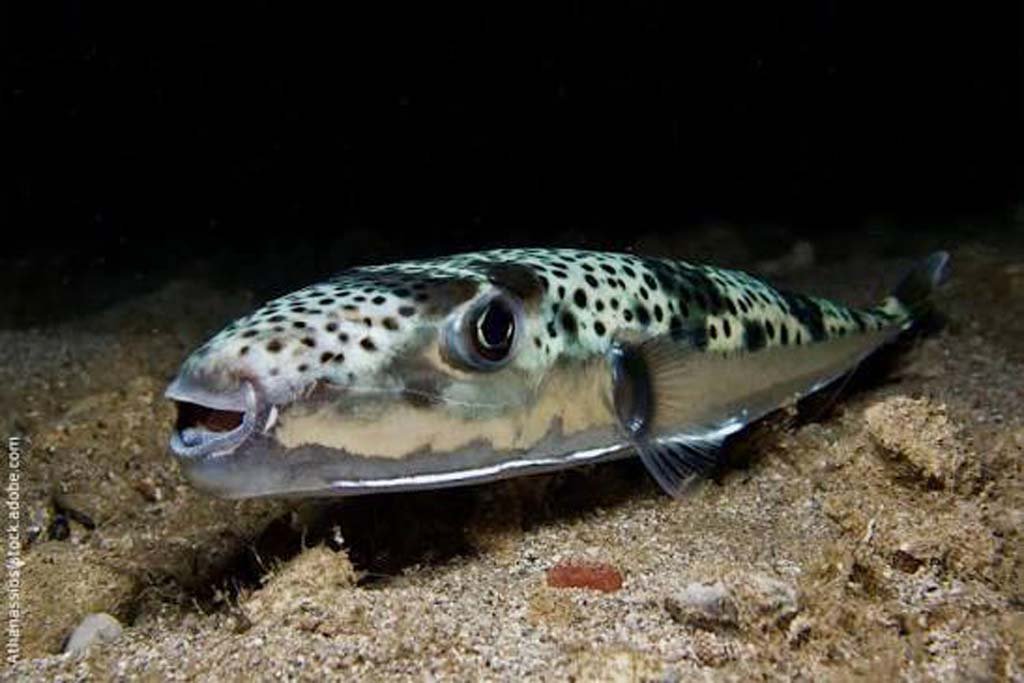
10. Pufferfish (Fugu) – Restricted Across the European Union
This Japanese delicacy can be lethal if improperly prepared, as its organs contain a potent poison. The EU has banned it due to the high risk of poisoning.
11. Farmed Salmon – Banned in Australia and New Zealand
Certain farmed salmon products may contain added synthetic substances, including artificial coloring agents. These countries have prohibited such salmon over potential health risks.
12. Instant Noodles – Temporarily Restricted in India
In 2015, Maggi noodles faced a nationwide ban in India after excessive lead levels were detected in samples.
Bans Driven by Ethics and Culture
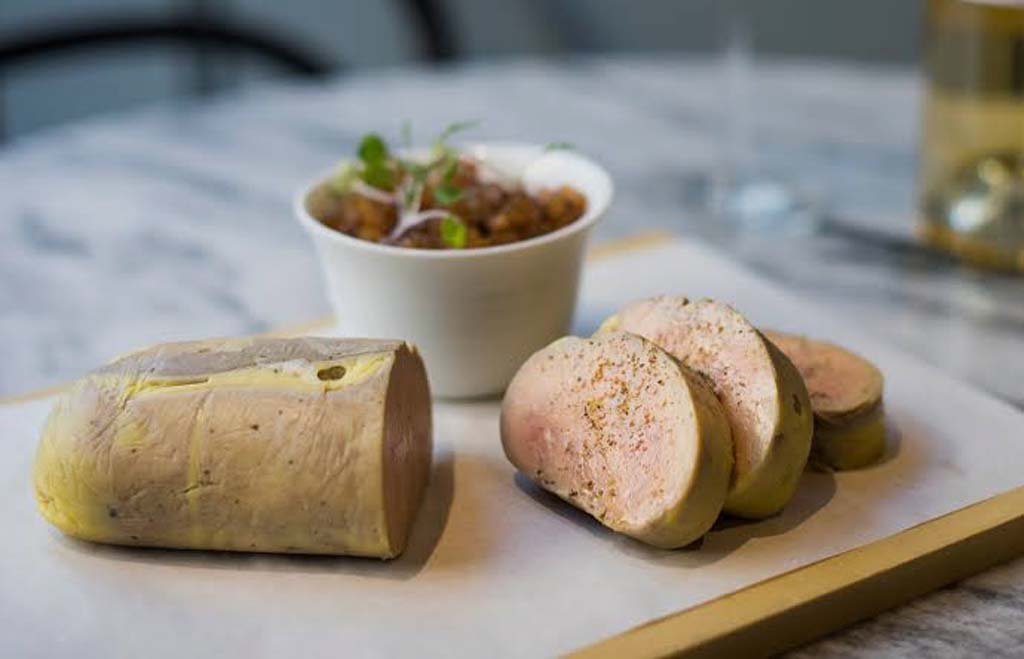
13. Foie Gras – Banned in India and New York City
This French delicacy, produced from the fattened liver of ducks or geese, is prohibited in several places due to ethical concerns over the force-feeding process.
14. Kinder Surprise Eggs – Prohibited in the United State
The chocolate eggs containing small toys have been prohibited in the US since 1938 because the toys inside are considered choking hazards, violating child safety laws.
15. Haggis – Banned in the US
Traditional Scottish haggis is illegal in the US because it contains sheep lungs, which are not approved by the FDA for human consumption.
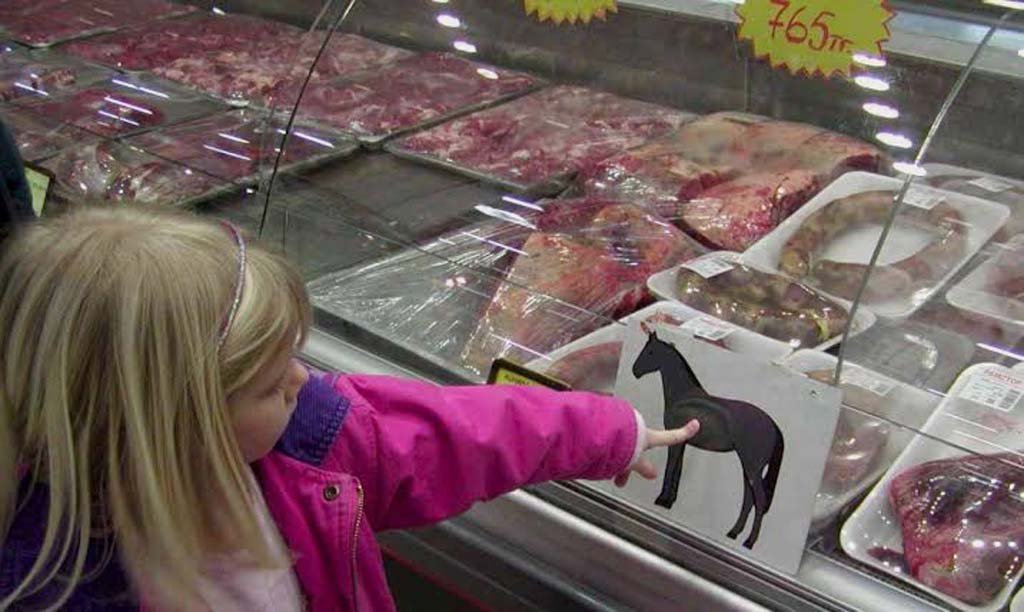
16. Horse Meat – Restricted in the United States
Horse meat faces significant restrictions in the United States, largely due to cultural and ethical concerns. Although it is consumed and commercially available in some other countries, it remains uncommon and heavily restricted in the US.
17. Chewing Gum – Banned in Singapore
Since 1992, Singapore has banned chewing gum. The prohibition was introduced after incidents where gum stuck to train door sensors disrupted rail services. The restrictions have since been somewhat relaxed, allowing therapeutic products and nicotine gum for approved use.
Conclusion
These seventeen foods reveal an intriguing truth: what is considered safe and acceptable often depends on perspective. From common additives to cultural delicacies, these bans reflect different countries’ approaches to health, ethics, and safety regulation. Whether it’s a chocolate egg with a toy, a Scottish specialty, or a simple food coloring, the global food landscape is far from uniform. The next time you reach for a familiar snack, remember—across the world, it might very well be illegal. new-search Start new Search
About the Author
My name is Dua Qamar, and I’m a content writer passionate about food, culture, and the fascinating ways different societies regulate what we consume.
Why I Wrote This Article:
Food regulations vary dramatically across borders, and these differences reveal much about cultural values, public health priorities, and risk tolerance. I wanted to explore these contrasts and highlight the surprising number of everyday items that are prohibited elsewhere.
How I Approached This Topic:
My research involved examining international food safety standards, regulatory agency announcements, and news reports documenting specific bans. I aimed to present a diverse range of foods—from additives to delicacies—that illustrate the breadth of global food regulation.
Who This Article Is For:
This piece appeals to curious eaters, travelers, and anyone interested in the intersection of food, culture, and public policy.
The Message I Hope Readers Take Away:
The foods we consider ordinary may be viewed very differently across borders. These bans remind us that safety, ethics, and cultural norms shape our food choices in ways we rarely consider.
Written by: Dua Qamar
