


10 Largest Automakers in the World
Introduction
The global automotive sector represents one of the most fiercely competitive industries on the planet, where long-established manufacturers vie for dominance alongside ambitious newcomers. For decades, Japanese and German automakers held the top positions. However, the landscape is undergoing a significant transformation, driven largely by the rapid ascent of Chinese electric vehicle producers.
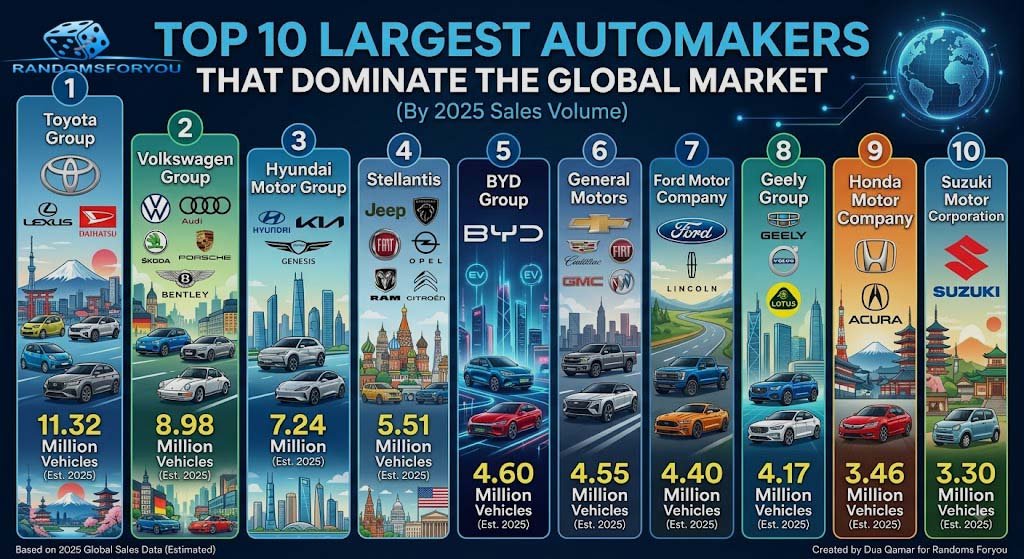
While various metrics exist for measuring “biggest”—including revenue, market capitalization, and brand valuation—vehicle sales volume remains one of the most revealing indicators. Based on 2025 global sales figures, here are the ten largest car brands worldwide.
The Top 10 Car Brands by Sales (2025)
1. Toyota Group – 11.32 Million Vehicles
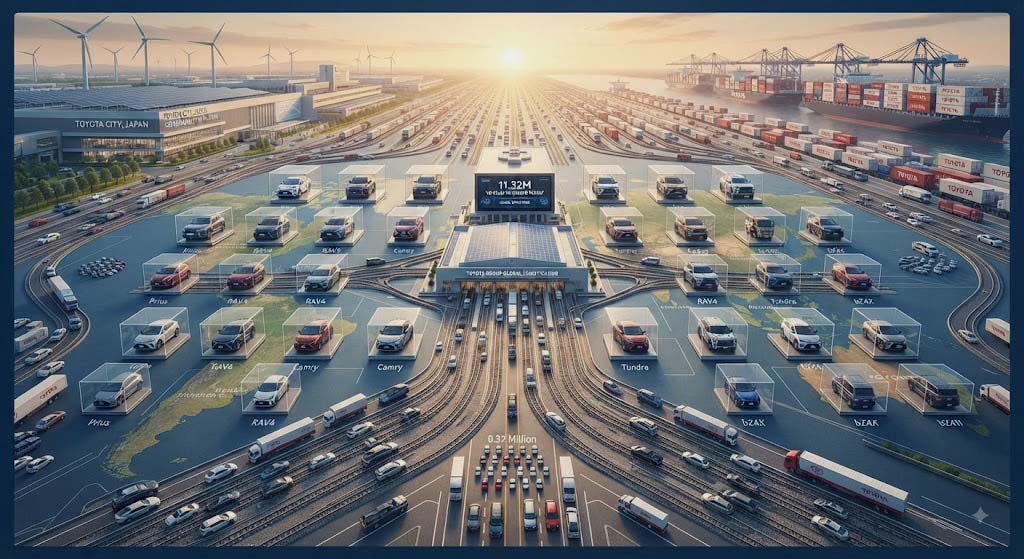
Toyota continues to reign supreme in the automotive world, securing the top position in global sales for the sixth consecutive year. The Japanese conglomerate delivered 11.32 million vehicles in 2025, maintaining a substantial lead over its closest competitor. With its portfolio encompassing Toyota, Lexus, and Daihatsu, the company has built its reputation on dependability, innovation, and the legendary Toyota Production System.
2. Volkswagen Group – 8.98 Million Vehicles
The German automotive powerhouse claimed second place with nearly 9 million sales. Volkswagen’s strength lies in its remarkably diverse brand portfolio—spanning budget-friendly Škoda and SEAT to premium Audi and ultra-luxury Porsche and Bentley. However, 2025 presented challenges for VW, particularly with declining sales in the crucial Chinese market.
3. Hyundai Motor Group – 7.24 Million Vehicles
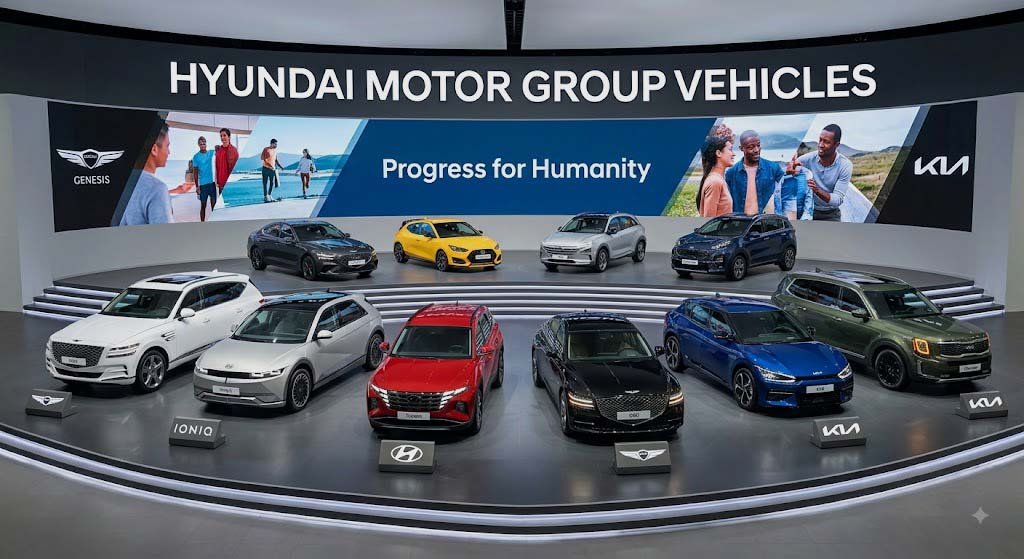
Hyundai Motor Group, encompassing the Kia and Genesis brands, secured third place with over 7.2 million sales. The South Korean conglomerate’s consistent growth and distinctive design language have established it as a formidable challenger to traditional Japanese and German manufacturers.
4. Stellantis – 5.51 Million Vehicles
Stellantis, formed through the merger of Fiat Chrysler and PSA, ranked fourth. Despite its enormous scale and extensive brand lineup including Jeep, Peugeot, and Citroën, the conglomerate maintains a limited presence in the Chinese market.
5. BYD Group – 4.60 Million Vehicles
BYD emerged as the most significant story of 2025. The Chinese electric vehicle giant entered the global top five for the first time, recording 4.6 million sales and surpassing American automaker General Motors. BYD’s remarkable growth trajectory has established it as the world’s largest EV manufacturer by volume.
6. General Motors – 4.55 Million Vehicles
The American automotive icon, featuring brands like Chevrolet and Cadillac, slipped to sixth place, overtaken by BYD’s rapid ascent. GM has experienced mounting pressure from Chinese competitors in an increasingly electrifying market.
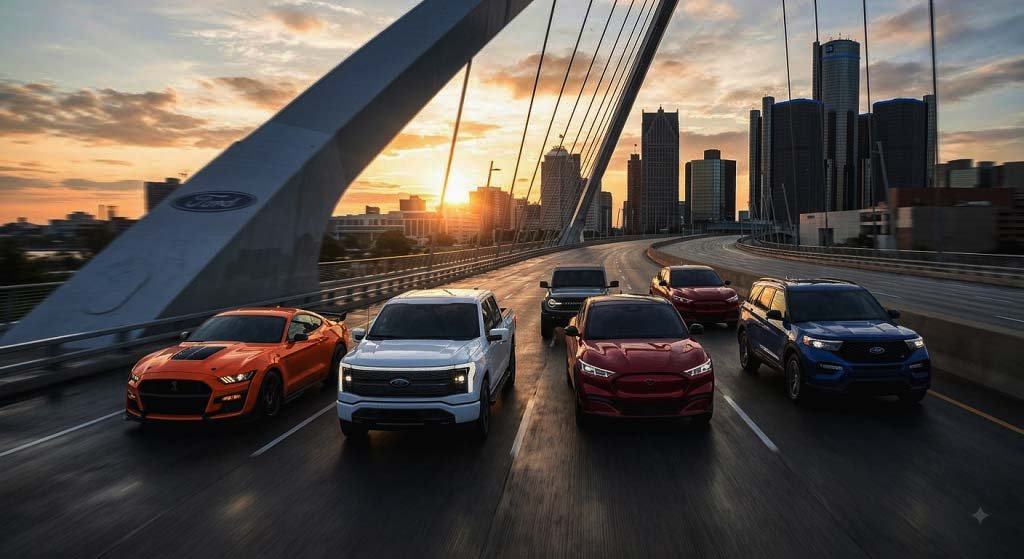
7. Ford Motor Company – 4.40 Million Vehicles
Ford took seventh place, continuing to face intense competition in the global automotive arena. The company’s robust performance in the North American truck market remains a crucial pillar of its overall sales volume.
8. Geely Group – 4.17 Million Vehicles
Geely Holding Group, the Chinese conglomerate that owns Volvo and Lotus, secured eighth place. Its substantial growth highlights the expanding global footprint and ambition of Chinese manufacturers.
9. Honda Motor Company – 3.46 Million Vehicles
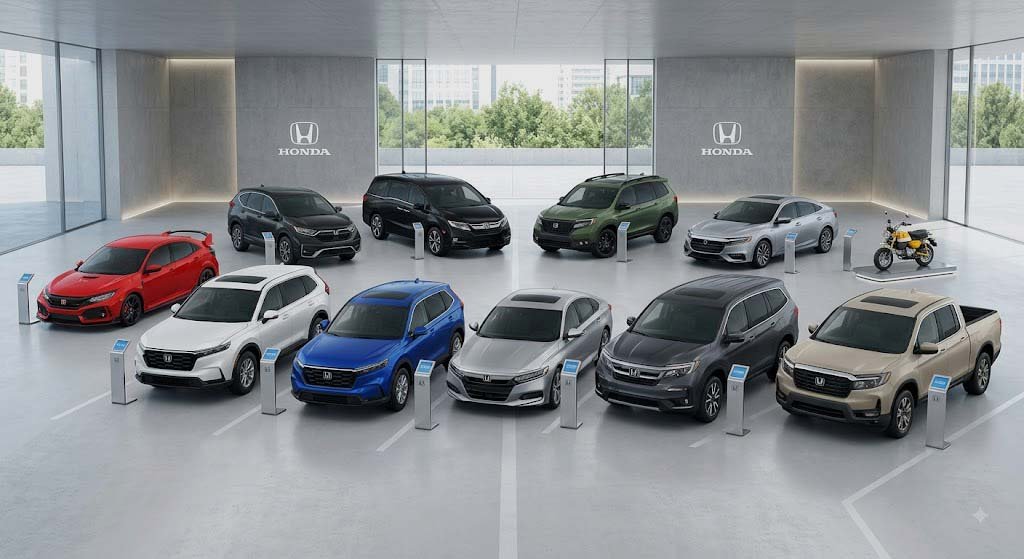
Honda experienced a decline in the rankings, recording 3.46 million sales. The Japanese automaker has encountered fierce competition from a broad spectrum of brands, leading to a contraction in its market share.
10. Suzuki Motor Corporation – 3.30 Million Vehicles
Suzuki rounded out the top ten with 3.3 million vehicles. The Japanese company, renowned for its compact cars and strong presence in Asian markets, has maintained steady sales volume.
The Ascendancy of China
The 2025 rankings reveal a clear pattern: the global automotive landscape is being fundamentally reshaped by Chinese brands. Three Chinese automakers—BYD, SAIC, and Geely—secured positions in the top ten for the first time. BYD’s ascent, driven entirely by electric vehicle sales, demonstrates that the transition to electrification represents more than a passing trend—it marks a fundamental shift in how global car sales will be won.
Conclusion
In 2025, the world’s largest car brands continue to feature established Japanese, German, and American manufacturers. However, competition from major Chinese automakers, particularly BYD, is accelerating rapidly. As the world transitions toward electric vehicles and new markets emerge, the roster of the world’s largest automobile manufacturers will only become more dynamic and unpredictable.
About the Author
My name is Dua Qamar, and I’m a content writer passionate about technology, business, and global industry trends.
Why I Wrote This Article:
I wrote this piece to deliver a clear, data-driven overview of the automotive industry’s current landscape. With the rapid rise of electric vehicles and Chinese manufacturers, understanding market leaders is essential for anyone following the business of cars. I wanted to move beyond simple market capitalization figures to highlight which companies dominate in terms of actual sales volume, as this reflects consumer trust and global reach.
How I Approached This Topic:
My research concentrated on the most recent and comprehensive global sales data available. I cross-referenced multiple industry sources to verify the 2025 rankings and sales figures, ensuring a high degree of accuracy. The top ten list derives from analyses of official manufacturer data.
Who This Article Is For:
This article appeals to car enthusiasts, business professionals, and curious readers who want to understand how the world’s major automakers compare and compete on the global stage. If you’re wondering which car companies rank as the largest in the world by sales, this piece provides the answers.
The Message I Hope Readers Take Away:
The automotive industry is evolving rapidly, with established manufacturers and new challengers reshaping the global market. While long-standing giants like Toyota remain dominant, the influence and sales power of Chinese manufacturers like BYD are growing at an unprecedented rate. The race for the future of mobility is being fought on a new global stage, and traditional leaders cannot afford complacency.
Written by: Dua Qamar
